test

Blog

  • Food Travel: A Culinary Adventure Across the Globe

    Food Travel: A Culinary Adventure Across the Globe

    What if your next trip wasn’t just about the sights but rather the bites? Food travel combines the thrill of exploring new cultures with the pleasure of savoring local cuisine. Imagine bite-sized adventures that tickle your taste buds while creating unforgettable memories. It’s a delicious metaphor for life, once you bite in, you’ll find that every destination offers a flavor profile unlike any other. So, grab your fork, pack your bags, and let’s jump into the world of food travel.

    The Importance of Food in Travel

    diverse travelers sharing meals at a rustic cafe table.

    Food plays a pivotal role in the travel experience. It serves as a cultural bridge, allowing travelers to connect with local traditions and lifestyles in ways that nothing else can. Dining options vary from region to region, and each dish tells its own story. For instance, tasting the spices of a Moroccan tagine reveals influences from Berber, Arab, and Mediterranean cuisines. This vibrancy enriches the travel experience, as food becomes a narrative thread that weaves through various landscapes.

    Also, food travel allows individuals to discover new preferences and broaden their culinary horizons. A simple bite can spark lifelong memories and associations with a certain place. Each flavor reflects history, tradition, and local resources, making every meal an educational experience. In essence, food and travel are not mutually exclusive: they enhance one another, transforming an ordinary trip into an extraordinary journey.

    Exploring Local Cuisines

    Uncovering local cuisines is akin to peeling back the layers of an onion, each layer bursting with flavor and history. Street vendors, family-run restaurants, and home-cooked meals are true gems waiting to be discovered. Travelers are encouraged to wander off the beaten path where tourist traps often overshadow authenticity.

    Wherever your explorations take you, participating in a cooking class can provide deeper insight into a culture. Whether mastering the art of Italian pasta or delving into Thai curry, hands-on experiences create a connection that’s hard to replicate. Even simply dining with locals, when possible, can offer a glimpse into daily life. No one knows the culture better than its people, and no one understands food better than the chefs who have perfected their craft over generations.

    Destinations for Food Lovers

    When it comes to food travel, certain destinations stand out as culinary hotspots. Here are a few that will tantalize any food lover’s taste buds.

    Culinary Experiences to Try

    For an unforgettable experience, consider booking a culinary tour in cities like Paris, Barcelona, or Tokyo. In Paris, a pastry-making class is a must-do: macarons and éclairs will have travelers lost in a sweet paradise. Meanwhile, Barcelona’s tapas tours can be a delightful journey through flavors, with each bite offering a taste of the region.

    Tokyo’s izakayas provide more than just food: they encapsulate the essence of Japanese dining traditions. Engaging with local chefs in these settings can yield rich stories and techniques that shine a light on culinary foundations.

    Street Food Adventures

    Street food embodies the heart and soul of local cuisine. Think about the savories of Bangkok’s street stalls or the taco stands in Mexico City. Each location provides a diverse array of flavors at affordable prices. Plus, nothing beats the thrill of eating food prepared by local vendors right in the bustling streets.

    As an added bonus, street food offers the unique advantage of accessibility. Travelers can often find unbelievable flavors with little planning or prior knowledge. Just be sure to keep an open mind and embrace the unexpected.

    Fine Dining Around the World

    For those with a taste for luxury, fine dining experiences abound. Cities like New York, London, and Lyon are renowned for their Michelin-starred establishments. Restaurants craft special tasting menus that allow diners to embark on a whimsical journey through multiple courses, each showcasing the chef’s creativity and flair.

    In Barcelona again, trying the innovative creations of Ferran Adrià’s cuisine will take palates on a magical adventure. Fine dining is not only about presentation but also about the story behind the ingredients and the culinary philosophy that drives the chef.

    Tips for Food Travelers

    Engaging in food travel is thrilling and delicious, but certain tips can enhance the experience and ensure safety.

    Health and Safety Considerations

    Ensuring that food is safe to eat is crucial. Always be mindful of food hygiene and opt for places that appear clean. It’s advisable to stick to areas where locals eat: if the line is long, it’s usually a sign that the food is good. Travelers should also keep a bottle of hand sanitizer handy.

    Cultural Sensitivity and Etiquette

    Navigating cultural differences can be daunting yet enlightening. In some cultures, it’s customary to eat with your hands: in others, finishing every last bite is a sign of respect. Familiarizing oneself with local etiquette can enhance interactions and prevent any faux pas.

  • Travel Insurance For Family: Protect Your Adventures

    Travel Insurance For Family: Protect Your Adventures

    Traveling with loved ones can feel like a dream come true, but without the right safety measures, it can quickly turn into a memorable disaster. Imagine this: your family is all set for a beach vacation, and just when the sun hits its peak, your youngest decides to race after a beach ball, ending up with a twisted ankle. Cue the dramatic music. Wouldn’t it be comforting to know you have travel insurance? It’s like the safety net of the adventure world, ready to swoop in when things go awry. So let’s jump into the world of travel insurance for families and explore why it should be non-negotiable for your next trip.

    What Is Travel Insurance?

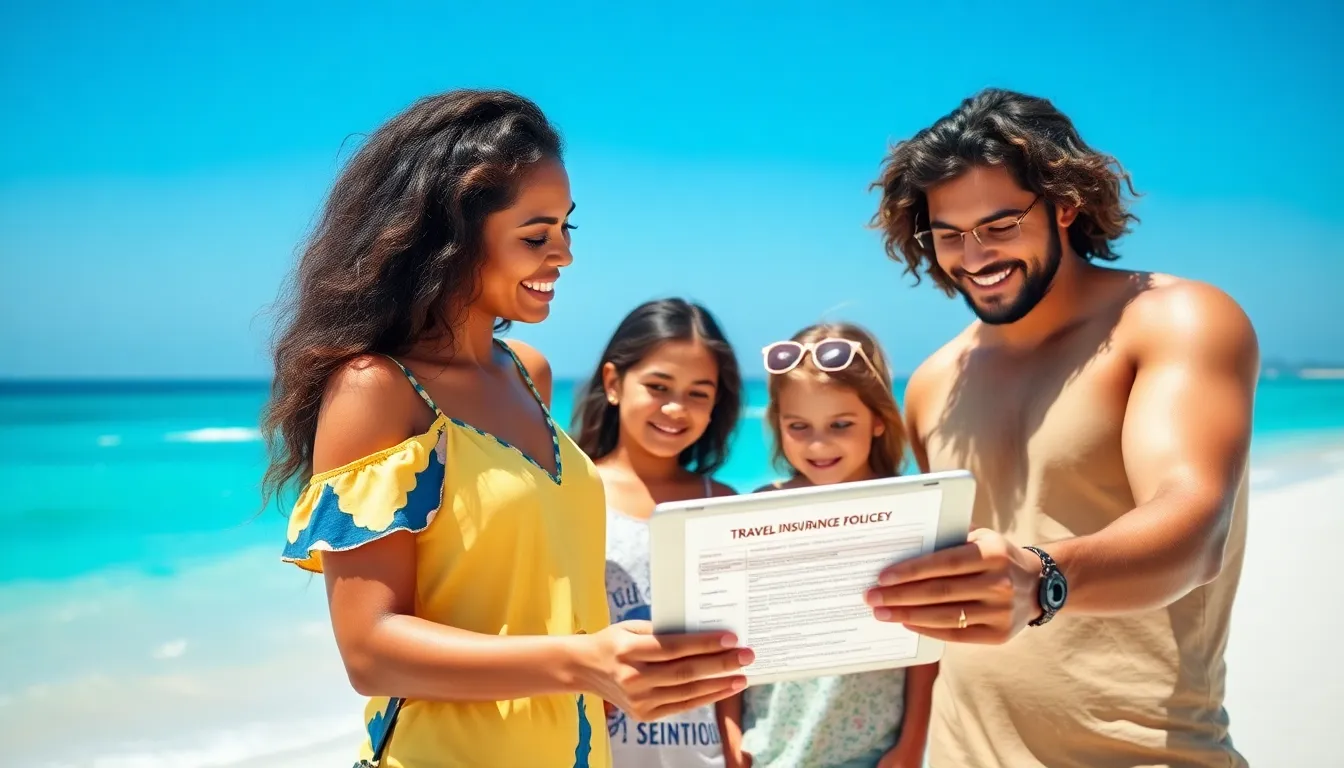
    family reviewing travel insurance at a beach setting.

    Travel insurance is a type of insurance designed to cover unexpected expenses related to travel. It can cover a wide range of incidents, from canceled flights to medical emergencies. But what does this mean for families? Simply put, it means peace of mind. Each policy can vary significantly, so understanding the fine print is crucial. Not only does it provide financial protection, but it also allows families to navigate unforeseen circumstances with less stress. Whether planning a family reunion in the mountains or a beach getaway, travel insurance ensures that any bumps in the road won’t derail the whole trip.

    Why Do Families Need Travel Insurance?

    Traveling with family means more moving parts. Kids are notorious for getting sick just before a trip, and unexpected delays can wreak havoc on carefully laid plans. With travel insurance, families can cover the costs of changing flights, booking last-minute hotels, or even medical emergencies. Think of it as a safety blanket. Families don’t just need travel insurance: they deserve it. It enables them to tackle adventures with confidence and embrace each mishap as just another story to tell, without the financial burden of chaos.

    Types Of Travel Insurance Coverage

    Travel insurance comes in various flavors, akin to ice cream options, each suiting different needs. Here are some common types of coverage families might consider:

    Trip Cancellation Insurance

    This type covers non-refundable costs if a family has to cancel their trip due to unforeseen circumstances such as illness or a natural disaster.

    Emergency Medical Coverage

    This is essential, especially when traveling outside one’s home country, where medical expenses can be exorbitant.

    Baggage Loss and Delay Coverage

    Losing luggage can be more than just an inconvenience, imagine little Timmy’s favorite superhero costume lost in transit. This coverage helps families replace essentials when things go astray.

    Travel Delay Coverage

    If flights are delayed due to weather or mechanical issues, this can reimburse spending on meals and accommodations.

    Accidental Death and Dismemberment Insurance

    Although it’s not a pleasant topic, it’s vital for families to consider this serious coverage, especially when engaging in high-risk activities like snow skiing or scuba diving.

    Factors To Consider When Choosing Family Travel Insurance

    Choosing travel insurance can feel like an overwhelming task, akin to picking a flavor in an ice cream parlor. Here are key factors to consider:

    Coverage Limits

    Families should understand how much coverage is available for various incidents. Higher limits can provide greater peace of mind, especially for medical emergencies.

    Exclusions

    Read the fine print. Policies often have exclusions that can catch families off guard. It’s crucial to check what’s not covered to avoid surprises.

    Destination Specifics

    Some destinations pose higher risks. Ensure that selected insurance covers specific needs related to the travel destination.

    Family Needs

    Families aren’t one-size-fits-all. Families with children may want extra coverage for trip cancellation due to illness, while adventurous families may focus on coverage for outdoor activities.

    Customer Support

    Check for accessible support options. Traveling families may need swift assistance, so it matters if they can reach someone 24/7.

    How To Compare Travel Insurance Plans

    Comparing travel insurance plans isn’t as daunting as it sounds, especially with the right strategies:

    Online Tools

    Many websites allow easy comparisons. These platforms enable families to filter options based on their unique requirements, be it budget or coverage.

    Reviews and Recommendations

    Seeking advice from friends or online communities can provide insights into trustworthy providers that offer favorable experiences. Personal recommendations often lead to discovering gems in travel insurance.

    Policies Side-by-Side

    Create a checklist of essential coverage features and lay policies side by side. This clearer view helps families make informed choices tailored to their needs.

    Common Exclusions In Family Travel Insurance Policies

    Understanding exclusions is crucial so families aren’t left in a pickle when things go wrong. Here are common exclusions to be aware of:

    Pre-Existing Conditions

    Most policies will not cover medical issues that existed before purchasing the insurance. It’s vital for families to disclose health history accurately.

    High-Risk Activities

    Travelers often want adventure, but certain activities like bungee jumping or extreme sports may not be covered unless specifically included in the policy.

    Travel Advisories

    If the government issues a travel advisory for a destination, some insurers may not offer coverage for travel to that area. It’s wise to stay updated on travel warnings.

    Lack of Documentation

    Without proper documentation, such as police reports for lost luggage or medical documentation, families might find their claims denied.

  • How to Make Stop Motion on iPhone: Unlock Your Creativity with Easy Animation Tips

    How to Make Stop Motion on iPhone: Unlock Your Creativity with Easy Animation Tips

    Imagine capturing your wildest creative ideas and turning them into a captivating movie right from your pocket. With an iPhone in hand, anyone can become a stop-motion maestro without needing a film degree or a Hollywood budget. Whether it’s a quirky animation of your pet’s daily antics or a whimsical tale featuring your favorite action figures, the possibilities are endless.

    Understanding Stop Motion Animation

    Stop motion animation involves capturing a series of still images and seamlessly combining them to create the illusion of movement. This technique relies on the careful manipulation of objects or figures, requiring precise positioning between each frame. Creators can film almost anything, from everyday objects to intricate models, providing endless possibilities for storytelling.

    The process often begins with a storyboard, allowing animators to outline their concepts and plan the sequence of actions. Storyboarding assists in visualizing the flow of the animation and ensures consistency throughout the project. After planning, individuals can set the scene and arrange their subjects based on the narrative.

    Each frame is captured individually, usually using the iPhone’s camera. Animators take care to maintain the same settings for focus and lighting, ensuring a uniform look across the frames. Some apps, such as Stop Motion Studio, automate frame capture, making it easier to create smooth animations.

    Editing plays a vital role in stop motion animation. After capturing the frames, creators can use editing software or apps to refine the timing, add sound effects, and incorporate music. Adjusting the frame rate influences the animation’s speed, and experimenting with different rates can significantly alter the final product’s feel.

    Many beginners enjoy experimenting with stop motion animation, discovering new techniques along the way. Learning from mistakes leads to improvements in future projects, so persistence remains essential. Embracing the trial-and-error process fosters creativity and skill development, making each project an opportunity to grow as an animator.

    Tools Needed For Stop Motion

    Creating stop motion animation on an iPhone requires specific tools that enhance the quality and efficiency of the process. Key components include apps tailored for animation and additional equipment that improves your setup.

    iPhone Apps for Stop Motion

    Several apps facilitate stop motion creation. Stop Motion Studio offers a user-friendly interface with features for frame capture, playback, and editing. iMotion provides customizable time-lapse and stop motion settings, allowing control over frame intervals. Lifelapse encourages sharing directly to social media, making it ideal for quick projects. These applications streamline the animation process, enabling users to focus on creativity rather than technical details.

    Additional Equipment

    Using some additional equipment can improve the stop motion experience. A tripod ensures stability, preventing shaky footage. Clamps or stands can secure the props used in animations, allowing consistent frame setups. Lighting equipment, like softboxes or LED lights, enhances visibility and helps maintain uniform lighting throughout the shoot. Each tool contributes to a smoother workflow, significantly enhancing the final output’s quality.

    Step-By-Step Guide to Making Stop Motion on iPhone

    Creating stop motion on an iPhone involves a few structured steps. Understanding the process makes it simpler for anyone to start animating.

    Pre-Production Planning

    First, storyboarding lays the groundwork for the animation. It helps in outlining concepts and structuring the sequences effectively. Next, selecting a suitable location matters; consider lighting and background elements that enhance the visual appeal. Gathering props and preparing the subjects enhances storytelling, ensuring everything is ready before filming. Planning camera angles contributes to the overall flow of the animation, making transitions smoother.

    Shooting Your Animation

    Begin by setting up the iPhone on a stable surface or tripod. Stability ensures minimal movement between frames, which is critical for seamless animation. Capturing images one frame at a time creates the desired effect. Regularly adjusting the subjects or props slightly brings the scene to life. Experimenting with different lighting conditions and angles can yield diverse results. Reviewing captured frames at intervals helps maintain continuity and make necessary adjustments.

    Editing Your Stop Motion

    After shooting, editing adds the finishing touches to the animation. Import the frames into apps like Stop Motion Studio or iMotion for efficient processing. Adjusting the frame rate influences the overall speed and fluidity of the animation. Adding sound effects or a musical track enriches the experience. Additionally, refining the timing of each sequence enhances viewer engagement. Remember to preview the final edit to ensure everything flows seamlessly.

    Tips for a Successful Stop Motion Animation

    Achieving success in stop motion animation requires attention to detail and creativity. First, plan the storyboard thoroughly. An organized storyboard provides a roadmap for each scene and helps streamline the shooting process.

    Utilize consistent lighting throughout the project. Lighting affects the quality of images captured and ensures a professional look to the final product. Clip-on lights or softbox lights effectively maintain uniformity across different shots.

    Choose a stable setup for the iPhone. Tripods equipped with smartphone mounts ensure consistent framing and prevent unwanted camera shake. Stability is crucial when shooting frame by frame.

    Capture a high number of frames for smoother animations. Shooting 15 to 24 frames per second enhances the fluidity of movement. Adjusting the frame rate later during editing allows for creative control over the speed of animation.

    Incorporate sound effects and music to enhance the storytelling experience. Adding audio elements engages the audience and brings the animation to life. Apps often allow seamless integration of sound, making this step easier.

    Keep the scene simple, especially for beginners. Fewer characters and props reduce the complexity and help the animator focus on refining individual shots. Simple setups often result in polished animations.

    Experiment with different angles and perspectives. Various viewpoints add depth and interest, leading to a more engaging final product. Change the camera’s position frequently to explore different dynamics within the animation.

    Review the clips periodically while shooting. Constantly assessing progress helps identify issues early on, ensuring a smoother editing phase later. This practice encourages adjustments before it’s too late.

    Utilize the editing features in stop-motion apps effectively. Adjusting timing and adding effects can significantly improve the final animation. Familiarity with editing tools strengthens the overall quality of the project.

    Conclusion

    Creating stop-motion animations on an iPhone opens up a world of creative possibilities. With just a few tools and the right apps anyone can transform simple ideas into captivating stories. The combination of planning shooting and editing allows for a polished final product that showcases individual creativity.

    By experimenting with different techniques and learning from each project animators can continuously improve their skills. Whether it’s a fun pet animation or an intricate narrative featuring action figures the journey of stop-motion animation is both rewarding and enjoyable. Embrace the process and let imagination guide the way.

  • Family Travel Insurance Single Trip: The Ultimate Guide to Protecting Your Vacation

    Family Travel Insurance Single Trip: The Ultimate Guide to Protecting Your Vacation

    Planning a family vacation should be exciting, not nerve-wracking. Yet without proper travel insurance, one small mishap could turn that dream Disney trip into a financial nightmare. That’s where single-trip family travel insurance comes to the rescue, protecting everyone from grandma to little Tommy under one convenient policy.

    Think of family travel insurance as a safety net with superpowers – it covers medical emergencies, trip cancellations, lost luggage, and those unexpected moments when kids decide to test gravity near the hotel pool. For families hitting the road together, a single-trip policy offers comprehensive protection without breaking the bank. It’s like having a guardian angel watching over the whole crew, minus the awkward wing situations.

    What Is Family Travel Insurance for Single Trips

    Family travel insurance for single trips protects multiple family members during one specific journey away from home. This specialized coverage includes parents plus up to 4 children under age 21 traveling together on the same itinerary.

    The policy combines essential travel protections:

    • Medical coverage for unexpected illnesses injuries during the trip
    • Trip cancellation reimbursement for covered reasons
    • Lost baggage compensation up to stated limits
    • Emergency medical evacuation transport
    • Travel delay benefits for extended interruptions

    Coverage activates on the departure date and ends when travelers return home. The insurance spans the exact dates of one planned vacation rather than providing protection for multiple trips throughout the year.

    Key features include:

    • One premium covers the entire family unit
    • Children under 17 travel free with 2 insured adults
    • Shared benefits apply across all covered family members
    • Pre-existing condition waivers available if purchased early
    • Optional rental car collision coverage
    Family Size Average Premium Range
    2 Adults $120-180
    2+1 Child $150-220
    2+2 Children $180-250
    2+3 Children $200-280

    The coverage extends to various family structures:

    • Married couples with children
    • Single parents with dependents
    • Grandparents traveling with grandchildren
    • Step-families vacationing together
    • Legal guardians with minor children

    This insurance type differs from annual multi-trip policies by focusing protection on one specific vacation timeframe rather than year-round coverage.

    Key Benefits of Family Travel Insurance Coverage

    Family travel insurance delivers comprehensive protection through essential coverage benefits that safeguard every family member during their single-trip journey. These benefits address common travel concerns through specialized coverage options tailored for family travelers.

    Medical Emergency Protection

    Family travel insurance covers medical emergencies up to $500,000 per person for unexpected illnesses injuries during travel. The coverage includes emergency room visits doctor consultations prescribed medications hospital stays ambulance services. Policies provide 24/7 assistance services connecting travelers to English-speaking medical providers in foreign countries. Insurance carriers coordinate direct payment to international healthcare facilities eliminating out-of-pocket expenses. Additional benefits include emergency dental care coverage up to $750 medical evacuation services reaching $1 million per family.

    Trip Cancellation and Interruption Coverage

    Trip cancellation coverage reimburses up to 100% of prepaid non-refundable travel expenses when families cancel trips for covered reasons. Common covered situations include illness injury death of family members severe weather natural disasters work-related emergencies. Trip interruption benefits provide reimbursement for unused portions of trips plus additional transportation costs to return home early. Coverage extends to all prepaid expenses including flights hotels tours activities deposits. The policy protects each family member’s individual portion of trip costs under one shared benefit limit.

    Lost Baggage and Personal Belongings

    Lost baggage coverage provides reimbursement up to $2,500 per person for damaged stolen missing checked luggage carry-on items. The policy covers essential items clothing electronics travel documents personal effects. Coverage includes $250 per day for emergency replacement items when bags arrive late. Additional protection extends to stolen passports credit cards cash up to specified limits. Insurance carriers assist with tracking lost luggage coordinating with airlines filing claims obtaining compensation.

    How to Choose the Right Family Travel Insurance Plan

    Selecting appropriate family travel insurance requires evaluating specific policy components that match your family’s needs. The selection process focuses on understanding key coverage elements tailored to family situations.

    Age Limitations and Requirements

    Insurance providers set distinct age parameters for family coverage policies. Children under 17 typically receive free coverage when traveling with two insured adults. Most carriers extend coverage to dependent children up to age 21 if they reside at the same address as their parents. Senior travelers aged 65+ face higher premium rates due to increased medical risks. Insurance companies classify families differently: biological parents grandparents legal guardians step-parents adoptive parents with dependent children qualify for family policies. Single-parent families receive specialized policy options with adjusted premium structures based on the number of covered children.

    Coverage Limits and Deductibles

    Family travel insurance policies offer tiered coverage limits with corresponding deductible options:

    Coverage Type Typical Limit Range Common Deductibles
    Medical Emergency $50,000 – $500,000 $0 – $250
    Trip Cancellation 100% of trip cost $0 – $100
    Baggage Loss $500 – $2,500 $25 – $50
    Emergency Evacuation $100,000 – $1,000,000 $0

    Premium policies provide higher coverage limits with lower deductibles. Basic plans offer essential coverage with higher deductibles. The combined family deductible option allows families to meet one shared deductible rather than individual amounts. Coverage limits apply per person while maintaining family maximum benefits.

    Cost Factors for Single Trip Family Insurance

    Single trip family insurance premiums vary based on specific factors that insurers use to calculate risk levels. Understanding these factors helps families budget appropriately for their travel protection needs.

    Number of Family Members

    The total number of travelers directly impacts insurance costs, with rates increasing for each additional family member. Insurance providers typically cover two adults and up to four children under age 21 on a single policy. Children under 17 travel free when accompanied by two insured adults on premium plans. Grandparents require separate coverage when joining family trips, increasing the overall premium. Single-parent families receive specialized pricing structures with reduced rates for solo adult travelers with dependent children.

    Trip Duration and Destination

    Trip length affects premium costs, with longer trips commanding higher rates due to extended coverage periods. High-risk destinations like remote locations or countries with limited medical facilities increase insurance costs. Travel to regions with frequent natural disasters or political instability raises premiums by 15-30%. European destinations often cost less to insure than trips to developing nations. Medical coverage limits expand for destinations with expensive healthcare systems, such as the United States or Switzerland, resulting in premium adjustments.

    Destination Type Average Premium Increase
    Remote locations 25-35%
    Political risk zones 15-30%
    Developing nations 10-20%
    European countries 5-15%

    Common Exclusions and Limitations

    Family travel insurance policies contain specific exclusions that limit coverage in certain situations. Pre-existing medical conditions remain uncovered unless a waiver is purchased within 14-21 days of the initial trip deposit.

    High-risk activities face coverage restrictions:

    • Extreme sports like skydiving or bungee jumping
    • Professional athletic events
    • Mountain climbing above 15,000 feet
    • Scuba diving beyond 120 feet depth

    Mental health conditions receive limited coverage, with most policies capping benefits at $2,500 for anxiety or depression-related claims.

    Coverage Type Standard Limit Premium Limit
    Pre-existing Conditions No coverage Up to $50,000 with waiver
    Adventure Sports $5,000 $25,000
    Mental Health $2,500 $10,000
    War Zones No coverage No coverage

    Geographic restrictions apply to certain destinations:

    • Countries under government travel warnings
    • Areas experiencing political unrest
    • Regions with active military conflicts
    • Territories with sanctions or trade restrictions

    Time-sensitive limitations affect claim eligibility:

    • Coverage starts 48-72 hours after policy purchase
    • Claims require filing within 90 days of incident
    • Trip cancellation notice mandates 48-hour advance notice
    • Medical documentation submission within 30 days
    • Self-inflicted injuries
    • Alcohol or drug-related incidents
    • Illegal activities
    • Acts of war or terrorism
    • Pandemic-related cancellations without specific riders

    Tips for Purchasing Family Travel Insurance

    Compare coverage limits across multiple insurers to find policies matching specific travel needs. Purchasing insurance 14-21 days after initial trip deposit unlocks maximum benefits like pre-existing condition waivers.

    Read policy documents carefully before purchasing:

    • Check age restrictions for children dependents
    • Verify coverage for adventure activities
    • Review medical coverage limits per person
    • Confirm trip cancellation reasons covered
    • Examine baggage loss reimbursement caps

    Consider these key timing factors:

    • Book insurance within 24 hours of trip deposits for Cancel For Any Reason coverage
    • Purchase at least 30 days before departure for pre-existing condition coverage
    • Allow processing time for policy documents review
    • Factor in free look periods for policy changes

    Essential documentation to gather:

    • Detailed trip itinerary with dates locations
    • Passport numbers for all travelers
    • Medical history for coverage verification
    • Emergency contact information
    • Trip cost receipts for cancellation coverage

    Payment optimization strategies:

    • Bundle insurance with trip booking for discounts
    • Use credit cards with travel protection benefits
    • Ask about multi-policy family discounts
    • Compare annual vs single trip costs for frequent travelers
    • Check for promotional seasonal rates
    • Add rental car protection when needed
    • Include hazardous sports coverage for activities
    • Upgrade medical evacuation limits for remote destinations
    • Select Cancel For Any Reason if booking early
    • Choose higher baggage coverage for valuable items

    Conclusion

    Single-trip family travel insurance stands as a vital investment for any family planning their next vacation. It’s not just about protecting against financial losses – it’s about ensuring peace of mind while creating lasting memories together.

    A well-chosen policy safeguards against unexpected medical emergencies travel disruptions and lost belongings while accommodating various family structures and travel needs. The key lies in understanding coverage options comparing policies and selecting protection that aligns with specific travel plans and family requirements.

    By taking time to research and secure appropriate coverage families can focus on what matters most – enjoying their adventure together knowing they’re protected every step of the way.

  • Safe Travel Prayer For Family: Keep Your Loved Ones Protected

    Safe Travel Prayer For Family: Keep Your Loved Ones Protected

    Every parent knows that sending loved ones off on a journey can be nerve-wracking. What if the car breaks down? What if they encounter icy roads or unforeseen delays? Deep down, everyone wishes for a magic wand to keep their family safe. Well, here’s a little secret: there’s no magic wand, but there is something powerful that can ease those worries, a safe travel prayer for family. Jump into the world of prayers designed specifically to shield and guide your loved ones on their travels. With a sprinkle of humor and a dash of faith, let’s explore how invoking the divine can turn anxiety into assurance.

    The Importance Of Prayer During Travel

    family praying together for safe travels in a modern living room.

    Traveling can feel like an adventure packed with excitement and, let’s be honest, an undercurrent of anxiety. Our loved ones embarking on a trip incites a whirlwind of emotions. The best remedy for trepidation? Prayer. It serves as a comforting reminder that a higher power watches over us, ready to provide protection. The act of praying before a journey focuses intention, opening up a space for calmness. It’s like putting on an invisible, celestial seatbelt. Families have often found that a simple prayer can make a world of difference, offering hope and community spirit during travels.

    Also, prayer can reduce stress. Research suggests that prayer promotes emotional well-being, and let’s face it, who couldn’t use more of that? When families pray together, they strengthen their bonds while traveling, promoting a sense of solidarity and shared purpose. So, next time someone in your family suggests taking part in a prayer before heading out, jump on board. It’s an emotional anchor, ensuring everyone feels supported, right from the departure point to their destination.

    Types Of Travel Prayers

    When it comes to travel prayers, variety is the spice of life. There are several types, each serving unique intentions. Here are a few common ones that families can consider:

    General Safe Travel Prayers

    These are broad prayers asking for protection over those who are traveling. Think of them as your spiritual starter pack. They generally invoke blessings for safety, health, and good fortune during travel.

    Destination-Specific Prayers

    Sometimes, it’s beneficial to tailor a prayer specifically for where the family is heading. For instance, if traveling to the mountains, one might pray for safe travels on winding roads. If the family is going to a city bustling with activity, a prayer for peace and patience might be in order.

    Gratitude Prayers

    Don’t forget to express gratitude. Acknowledging past travels, safe arrivals, and experiences gained adds a layer of positivity. Thankfulness opens the door to even more blessings.

    Family Intercessory Prayers

    Families can also include prayers that emphasize communal intentions. These prayers can ask for collective strength and unity as loved ones travel separately but are linked by love.

    By recognizing and understanding the different types of prayers, families can find the perfect fit for their travel needs and intentions.

    A Sample Safe Travel Prayer

    Still unsure where to start? Here’s a sample safe travel prayer that families can adapt and make their own:

    “Dear God, as our loved ones embark on their journey, we ask for your guiding presence to be with them. Protect them from harm’s way and grant wisdom to all who will be on the road. May this trip be filled with joy, thrilling encounters, and safe passage. We thank you for the gift of travel: may it strengthen our bonds and enrich our stories. Amen.”

    Feel free to personalize this sample prayer to reflect your family’s unique vibe, shorten it, add details, or make it a bit more heartfelt. The key element is sincerity.

    Incorporating Prayer Into Your Travel Routine

    Integrating prayer into the family routine can be as simple as making it a pre-departure ritual. Here are a few practical tips:

    • Designate a Travel Prayer Time: Choose a specific moment before every trip, be it in the car or at home, to recite your prayer. This establishes a comforting routine.
    • Create a Travel Prayer Card: Write the prayer on a card and leave it in an easily accessible spot, like the glove compartment. Little acts can yield a powerful impact.
    • Use Apps: With technology at our fingertips, consider prayer apps that offer daily prayers or reminders, integrating flexibility into spiritual practices.

    These ideas can foster a sense of security among family members and reinforce that no journey is undertaken alone.

    Encouraging Family Participation In Prayer

    It’s one thing to pray for family members, but getting them involved can amplify the experience. Here are some creative ways to promote participation:

    • Group Prayer Sessions: Host a quick family meeting before the trip to articulate shared prayers. The more voices, the more profound the message.
    • Engage Children with Fun: Encourage children to draw or write out their own travel prayers, making the act more interactive and personal.
    • Incorporate Songs: Try incorporating religious songs or family-created travel tunes that include prayer themes. You’d be surprised at how catchy a good prayer can be.

    Including everyone in the prayer process transforms individual intentions into collective warmth. Every member feels valued and connected.

    The Power Of Collective Prayer

    There’s something magical about collective prayer. When a family comes together to pray, it amplifies intention and generates an environment steeped in love and positivity. Imagine lighting a candle in a dark room: one can offer adequate light, but several candles shining together create a vibrant glow.

    Benefits of collective prayer during travel include:

    • Shared Energy: The unity fosters a powerful supportive energy, enhancing emotional resilience.
    • Spiritual Bonds: Collective prayer nurtures spiritual bonds, developing deeper connections between family members.
    • Shared Stories: It invites a narrative aspect into the prayers, as family members can share their experiences and wishes. This sharing can be invigorating and encourages emotional closeness.

    Families experiencing travel’s ups and downs together, especially through prayer, create memorable journeys that enhance both the adventure and the bond.

  • Travel Quotes For Family: Ignite Your Wanderlust Together

    Travel Quotes For Family: Ignite Your Wanderlust Together

    Traveling with family is more than just a way to explore new places: it’s a crash course in togetherness, adventure, and creating memories that last a lifetime. Let’s face it: a well-placed travel quote can spark inspiration in a way that your overly detailed itinerary just can’t. Need a nudge to get your family excited about the next road trip or vacation? You’re in the right place. Here’s a sprinkle of humor and a dash of wisdom to get everyone on board for that next family adventure.

    The Importance Of Family Travel

    family enjoying outdoor adventure together in a national park.

    Creating Lasting Memories Together

    Family travel isn’t just about the destinations: it’s about sharing experiences that grow closer the more you explore. Imagine writing your family saga against the backdrop of stunning landscapes while savoring unique cuisines. Every meal becomes a bonding opportunity, every sunset a shared moment of awe. Statistics show that families who travel together often report stronger relationships and improved communication.

    Strengthening Family Bonds Through Exploration

    When families journey together, they face challenges and discover joys side by side. Navigating a foreign city can lead to inside jokes, while unexpected mishaps create a collective narrative that families cherish. Research reveals that these experiences cultivate resilience and empathy among family members, paving the way for healthier, more connected relationships.

    Travel Quotes That Inspire Family Adventures

    Heartwarming Quotes About Family and Travel

    Quotes can encapsulate feelings and sentiments in a few words, striking chords that resonate potently. Consider this gem: “Traveling in the company of those we love is home in motion.” This truth reminds families that travel creates a sanctuary that, regardless of geography, is held together by love.

    Inspirational Quotes For Family Road Trips

    Everyone knows road trips can be a mixed bag. They can lead to endless fun, or they can dissolve into moments of frustration. Yet, inspiration can be just around the corner. One famous saying goes: “The journey is the destination,” encouraging families to enjoy the ride, cramped back seats and all.

    Funny Travel Quotes For Family Trips

    Lighthearted humor always lightens the mood. Consider this funny quote: “Traveling with kids is like going on a long trip with a low-budget movie crew.” It’s relatable. This type of humor can not only evoke laughter but also remind families to take things in stride with a pinch of laughter.

    Tips For Choosing The Perfect Travel Quote

    Making It Personal: Customizing Quotes For Your Family

    Finding the right quote is akin to finding the perfect souvenir. Families can take inspiration from iconic travel quotes but modify them to fit their unique experiences. For instance, a quote about adventure could be personalized by inserting family members’ names or recalling specific trips that evoked thrilling moments.

    Incorporating Quotes Into Your Family Travel Plans

    Plus to customizing quotes, families can find creative ways to incorporate them into their travel plans. Whether it’s writing quotes on packing lists, posting them on social media during the trip, or even creating a family travel journal decorated with significant quotes, the possibilities are endless. This approach creates anticipation and excitement, ensuring that everyone feels included.

  • New York City Breaks: Explore the Big Apple in Style

    New York City Breaks: Explore the Big Apple in Style

    If you’re dreaming of a getaway that mixes vibrant culture with unforgettable experiences, look no further than New York City. Think of it as a high-energy cocktail of endless entertainment, diverse cuisine, and iconic sights that make you say, “Wow, I really am in the city that never sleeps.” Whether it’s your first visit or your fiftieth, NYC always has something new to offer. Ever wondered how to make the most of a short break in this bustling metropolis? This guide is packed with insider tips, must-see attractions, and culinary delights that could make even a slice of pizza taste sublime. Strap in, because your adventure in the Big Apple is about to begin.

    Why Choose New York City for a Short Escape?

    Diverse tourists enjoying Times Square at night.

    New York City isn’t just any destination: it’s a world of its own. Vibrant Culture and Entertainment beckon travelers from all corners of the globe. Picture this: a theater show in the renowned Broadway district, followed by a midnight stroll through Times Square, wrapped in the glow of dazzling lights. The cultural fabric of NYC is rich and varied, making it an ideal spot for short escapes.

    Then there’s its Diverse Culinary Scene, a paradise for food lovers. From food trucks dishing out gourmet delights to upscale dining experiences, the options are endless. Craving a slice of authentic New York pizza? Or maybe some mouthwatering dim sum? You can find it all within steps of each other. The culinary adventures alone make a case for why the city should be on every traveler’s bucket list.

    Iconic Landmarks and Attractions

    Let’s spice up the itinerary with a list of iconic landmarks and attractions that simply can’t be missed. Start with the towering Statue of Liberty, a symbol of freedom and opportunity welcoming millions each year. Then, hop on a ferry for breathtaking views of the skyline while enjoying the cool breeze off the harbor.

    Next, make your way to the Empire State Building for an unforgettable observatory experience. The 86th-floor view? Absolutely Instagram-worthy, especially at sunset. Let’s not forget Central Park’s sprawling beauty, perfect for a leisurely stroll or a quick picnic amid nature’s splendor. Each landmark tells a story, waiting for visitors to explore.

    Planning Your New York City Break

    Successful trips don’t just happen, they’re planned. Here’s how to design a remarkable getaway. Best Times to Visit are crucial in maximizing the experience. Spring (April to June) and fall (September to November) are ideal months. The weather is pleasant, and the city isn’t swarming with tourists yet.

    When it comes to where to stay, the Accommodation Options are as varied as the neighborhoods themselves. From luxurious hotels in Midtown to charming boutique stays in Brooklyn, there’s something for every taste and budget. Remember, booking in advance can lead to better deals.

    Getting Around the City

    Navigating New York City is a breeze once you know the ropes. Getting Around the City can be both efficient and enjoyable. The subway is perhaps the fastest way to traverse multiple neighborhoods: it operates 24/7 and gives a real taste of local life.

    For those who prefer fresh air, consider renting a bike through Citi Bike. Nothing beats biking through Central Park or down the East River Greenway during a sunny day. Plus, walking is highly recommended. After all, a meander through the streets often leads to charming discoveries.

    Top Activities during Your Stay

    Discover the Top Activities during Your Stay that encapsulate what makes NYC special. For starters, jump into unparalleled Cultural Experiences. Museums like the MET and the Museum of Modern Art offer world-class exhibits. Want to learn about the city’s history? Take a walking tour in Lower Manhattan.

    Don’t overlook the Outdoor Adventures either: there’s more to NYC than towering skyscrapers. In the warmer months, kayaking on the Hudson River or embarking on a hike in the nearby Palisades can be refreshing alternatives.

    Shopping and Nightlife Highlights

    A trip wouldn’t be complete without exploring the Shopping and Nightlife Highlights. The streets of SoHo are a haven for fashion enthusiasts, featuring both high-end retailers and quirky boutiques. For a taste of street shopping, check out the markets of Brooklyn, you never know what unique finds await.

    As night falls, the city’s energy shifts to nightlife. From cozy speakeasies to pulsating nightclubs, the choices are vast. Tips for a Memorable Experience include researching and reserving spots ahead of time to avoid long lines, and keep an eye out for live music venues. On a budget? Enjoy a classic NYC experience at a rooftop bar with happy hour specials.

  • Family Travel Insurance: Essential Guide to Single Trip Coverage for Your Vacation

    Family Travel Insurance: Essential Guide to Single Trip Coverage for Your Vacation

    Planning a family getaway shouldn’t feel like navigating through a maze of “what-ifs.” While dreams of sandy beaches and theme park adventures fill everyone’s minds, the unexpected can turn that perfect vacation into a costly nightmare.

    Travel insurance for a single family trip acts as a safety net, protecting loved ones from those dreaded vacation surprises. From flight cancellations to medical emergencies, it’s the superhero cape that keeps families covered while they focus on creating unforgettable memories together. Think of it as a virtual guardian angel that’s got the whole crew’s back, whether they’re exploring ancient ruins or hitting the ski slopes.

    Understanding Single Trip Family Travel Insurance

    Single trip family travel insurance provides comprehensive protection for families traveling together on one specific journey. This specialized coverage ensures all family members receive protection under a single policy for the duration of their trip.

    Key Coverage Benefits

    Family travel insurance includes essential protections tailored to group travel needs:

    • Medical coverage extends to all insured family members with separate benefit limits per person
    • Trip cancellation reimbursement covers prepaid expenses if the journey gets canceled due unexpected events
    • Emergency medical evacuation transports ill or injured family members to appropriate medical facilities
    • Lost baggage protection compensates for misplaced or stolen luggage per family member
    • Travel delay benefits provide compensation for additional expenses during extended delays
    • 24/7 emergency assistance services support families anywhere in the world

    Who Qualifies as Family Members

    Insurance providers define family members specifically for coverage purposes:

    • Spouses or domestic partners sharing the same residence
    • Children under 21 living at home or attending school full-time
    • Stepchildren residing with the primary policyholder
    • Adopted children legally placed with the insured family
    • Grandparents traveling with children qualify on select policies
    • Foster children under legal guardianship of the policyholder

    Each insurer sets specific age limits for dependent children ranging from 17-25 years old. Family members must live at the same address to qualify except for children away at school.

    Essential Coverage Components for Families

    Family travel insurance policies include specific coverage elements designed to protect multiple family members during a single trip. These core components address common travel risks while providing comprehensive protection for the entire family unit.

    Medical Emergency Coverage

    Travel insurance medical coverage pays for emergency healthcare costs when families travel abroad. The coverage includes hospital stays, doctor visits, prescription medications, emergency dental care, and medical evacuations. Most policies offer coverage limits ranging from $50,000 to $1,000,000 per person, with separate maximums for each family member. This protection extends to pre-existing conditions disclosed during policy purchase, covering sudden recurrences or complications. Insurance providers maintain networks of international healthcare facilities, ensuring access to quality medical care regardless of location.

    Trip Cancellation Protection

    Trip cancellation coverage reimburses prepaid, non-refundable travel expenses when families cancel trips due to covered reasons. These reasons include illness, injury, death of family members, natural disasters, job loss, jury duty, or military deployment. The protection typically covers 100% of trip costs, including flights, hotels, tours, and cruise packages. Coverage activates immediately after purchase, protecting travel investments from the moment of booking until departure.

    Lost Baggage and Personal Belongings

    Baggage coverage compensates families for lost, stolen, or damaged personal items during travel. The protection includes clothing, electronics, travel documents, and valuables with per-item limits ranging from $250 to $2,500. Most policies offer primary coverage of $1,000 to $3,000 per person for baggage loss. Coverage extends to delayed baggage, providing reimbursement for essential items purchased when luggage arrives late. Insurance carriers require documentation including receipts, police reports, or airline claims to process compensation.

    Cost Factors for Family Travel Insurance

    The cost of family travel insurance varies based on specific factors that insurance providers evaluate. The following components influence premium calculations for single-trip family coverage.

    Number of Family Members

    Insurance premiums increase proportionally with the number of covered family members. A typical family policy covers 2 adults and up to 4 children under 18 years old. Additional family members beyond this standard configuration incur extra charges, with rates varying by insurer. Here’s a breakdown of average cost increases:

    Family Size Average Premium Increase
    2 adults, 2 children Base rate
    2 adults, 3 children +15%
    2 adults, 4 children +25%
    Additional adult +40% per person

    Trip Duration and Destination

    The length of travel and destination directly impact insurance costs for family coverage. High-risk destinations with limited medical facilities or political instability command higher premiums. Here’s how costs typically scale:

    Trip Duration Premium Increase
    1-7 days Base rate
    8-14 days +25%
    15-30 days +50%
    31+ days +75%
    • Europe: Base rate
    • North America: +10%
    • Asia Pacific: +15%
    • South America: +20%
    • Africa: +25%

    Choosing the Right Coverage Levels

    Travel insurance coverage levels determine the maximum protection available for each family member during a single trip. Understanding these limits helps families select appropriate coverage based on their specific needs.

    Medical Coverage Limits

    Medical coverage limits range from $50,000 to $2,000,000 per person on family travel insurance policies. Primary coverage provides direct payment to medical providers without requiring families to pay upfront costs. Secondary coverage reimburses medical expenses after other insurance policies pay their portion. International destinations demand higher coverage limits due to increased healthcare costs:

    Region Recommended Minimum Coverage
    Europe $100,000 per person
    Asia $250,000 per person
    Americas $500,000 per person
    Remote Areas $1,000,000 per person

    Deductible Options

    Deductible amounts on family travel insurance policies range from $0 to $2,500 per person. Lower deductibles result in higher premium costs while higher deductibles reduce premium payments. Common deductible tiers include:

    Deductible Amount Premium Impact
    $0 +25% premium
    $250 Standard rate
    $500 -10% premium
    $1,000 -20% premium
    $2,500 -30% premium

    Each family member meets their individual deductible before coverage begins. Medical coverage deductibles apply separately from baggage loss or trip cancellation deductibles.

    Tips for Buying Family Travel Insurance

    Securing the right family travel insurance requires careful consideration of timing, coverage options and provider comparisons. These strategic tips maximize protection while optimizing cost-effectiveness for family trips.

    When to Purchase Coverage

    Book travel insurance within 14-21 days of making the initial trip deposit to access time-sensitive benefits like pre-existing condition waivers. Early purchase provides the longest coverage window for potential trip cancellations or interruptions. Many providers offer a “free look” period of 10-15 days to review policy details with a full refund option. Last-minute coverage remains available up until the day before departure though some benefits become restricted. Purchase insurance at least 24 hours before departure to activate coverage for weather-related cancellations delays.

    Policy Comparison Strategies

    Compare policies across 3-5 reputable providers using comparison sites that display coverage limits side-by-side. Focus on key features:

    • Medical coverage limits per family member
    • Trip cancellation reimbursement percentages
    • Baggage loss maximum payouts
    • Coverage for kids under 18
    • Emergency evacuation limits
    • Pre-existing condition provisions

    Review provider ratings from A.M. Best rating agency. Check claim processing timeframes customer service accessibility. Read sample policy documents to understand exclusions restrictions. Contact providers directly with specific coverage questions. Document comparison findings in a spreadsheet highlighting differences in coverage limits costs.

    Exclusions and Limitations

    Travel insurance policies contain specific restrictions that limit or exclude coverage in certain situations. Understanding these limitations helps families make informed decisions about their coverage needs.

    Pre-Existing Conditions

    Single trip family travel insurance typically excludes coverage for pre-existing medical conditions diagnosed within 60-180 days before the policy purchase date. Insurance providers define pre-existing conditions as any illness, injury, or medical condition that caused symptoms or required treatment before the policy’s effective date. Some insurers offer a pre-existing condition waiver when purchasing insurance within 14-21 days of the initial trip deposit. This waiver enables coverage for stable pre-existing conditions, provided all travelers are medically fit to travel on the policy purchase date. Documentation from healthcare providers confirms medical stability requirements.

    High-Risk Activities

    Family travel insurance policies exclude coverage for participation in dangerous activities such as skydiving, bungee jumping, mountain climbing above 15,000 feet, or racing vehicles. Adventure sports like scuba diving below 120 feet, helicopter skiing, or professional athletic competitions remain uncovered under standard policies. Some insurers offer adventure sports riders for an additional premium, extending coverage to specific activities. These add-on riders include coverage limits of $25,000 to $100,000 for medical expenses related to covered adventure activities. Families planning adventure activities verify coverage details before participation.

    Conclusion

    Family travel insurance for single trips stands as a crucial investment in worry-free vacations. The right policy shields families from financial losses while providing essential medical coverage and emergency assistance when needed most.

    Smart travelers take time to evaluate coverage options carefully considering their destination medical coverage limits deductibles and exclusions. Purchasing insurance shortly after the initial trip deposit unlocks valuable time-sensitive benefits.

    By understanding policy details and comparing providers families can select coverage that delivers the protection they need at competitive rates. This allows them to focus on what matters most – creating lasting memories together during their travels.


  • Costa Rica Family Travel: Ultimate Guide to Paradise with Kids (2024)

    Costa Rica Family Travel: Ultimate Guide to Paradise with Kids (2024)

    Paradise awaits families in Costa Rica, where adventure meets relaxation in perfect harmony. This Central American gem offers an ideal blend of wildlife encounters, pristine beaches, and thrilling activities that’ll keep everyone from toddlers to teens thoroughly entertained. Whether it’s spotting sloths in Manuel Antonio or zip-lining through Monteverde’s cloud forests, Costa Rica delivers unforgettable experiences for the whole family.

    Planning a Costa Rican family adventure doesn’t have to feel overwhelming. With family-friendly resorts, well-maintained national parks, and excellent infrastructure, this tropical destination makes traveling with kids surprisingly manageable. From the moment families step off the plane, they’ll discover why Costa Rica’s motto “Pura Vida” (pure life) perfectly captures the country’s laid-back yet exciting atmosphere that keeps families coming back year after year.

    Why Costa Rica Is Perfect for Family Adventures

    Costa Rica creates unforgettable family memories through its blend of natural wonders, safe environment, and enriching experiences. The country’s diverse landscape offers adventures tailored for every age group, from toddlers discovering wildlife to teenagers conquering rainforest canopies.

    Best Time to Visit with Kids

    December through April marks Costa Rica’s dry season, offering optimal conditions for family travel with predictable weather patterns and minimal rainfall. Temperatures remain consistent at 70-85°F (21-29°C) year-round, making outdoor activities comfortable for children. The peak tourist months of December and January feature special holiday festivities, while February and March provide ideal conditions for wildlife viewing and beach activities. Booking accommodations 4-6 months in advance ensures availability at family-friendly resorts during these popular periods.

    Family-Friendly Culture and Safety

    Costa Rica ranks as Central America’s safest country, maintaining political stability and a 96% literacy rate. Local communities welcome families with genuine warmth, often greeting visitors with “pura vida” – the national expression of joy and friendship. Restaurants accommodate children with special menus and high chairs, while hotels offer dedicated kids’ programs. The country’s medical facilities meet international standards, with English-speaking doctors available in major tourist areas. Clean drinking water and strict food safety regulations in tourist zones provide additional peace of mind for traveling families.

    Top Family Activities in Costa Rica

    Costa Rica offers diverse activities that engage families in memorable adventures. From rainforest exploration to coastal excursions, each experience creates lasting connections between family members and nature.

    Wildlife Encounters and Nature Tours

    Guided nature walks in Manuel Antonio National Park introduce families to sloths, monkeys, toucans in their natural habitat. Children can participate in butterfly garden tours at La Paz Waterfall Gardens, watching dozens of species flutter freely. The Tortuguero National Park presents opportunities to witness sea turtle nesting between July and October. Expert naturalist guides enhance these experiences with age-appropriate information about Costa Rica’s ecosystems. Many lodges offer night walks where families spot nocturnal creatures like red-eyed tree frogs, kinkajous in safe conditions.

    Beach and Water Activities

    Tamarindo Beach provides gentle waves perfect for beginner surf lessons with certified instructors teaching children as young as 5 years old. Families snorkel at Playa Conchal’s crystal-clear waters, observing tropical fish among coral formations. Catamaran tours along the Gulf of Papagayo include stops for swimming, spotting dolphins playing in their natural environment. Manuel Antonio’s beaches feature calm waters ideal for paddleboarding with equipment rentals available for all ages. Several coastal areas offer kayaking excursions through mangrove ecosystems teeming with wildlife.

    Volcano and Forest Excursions

    Arenal Volcano National Park features hanging bridges walks giving families aerial views of the rainforest canopy. Children explore lava fields at Poás Volcano, learning about geothermal activity through interactive displays. Monteverde Cloud Forest Reserve’s Sky Trek combines ziplines soaring over forest canopies with educational components. Families hike maintained trails at Rincón de la Vieja, discovering bubbling mud pots, miniature geysers. Educational centers near volcanoes offer hands-on geology workshops designed specifically for young scientists.

    Where to Stay with Kids in Costa Rica

    Costa Rica offers diverse accommodation options tailored for families, from beachfront resorts to remote jungle lodges. Each region provides unique experiences with child-friendly amenities essential for a comfortable family stay.

    Beach Resort Areas

    The Pacific Coast features family-oriented beach resorts concentrated in Guanacaste Manuel Antonio. The Four Seasons Resort at Peninsula Papagayo includes kids’ clubs water sports activities a teen center. Tamarindo’s Cala Luna Boutique Hotel provides family suites beachfront access surfing lessons. Manuel Antonio’s Arenas del Mar offers eco-luxury accommodations with easy access to the national park private beaches. These coastal properties include:

    • Swimming pools with shallow areas for children
    • Complimentary beach equipment rental
    • Family-size rooms with connecting options
    • On-site restaurants with kids’ menus
    • Organized activities programs for different age groups

    Mountain and Rainforest Lodges

    • Nature trails suitable for children
    • Wildlife viewing platforms
    • Educational programs about local ecosystems
    • Family rooms with jungle views
    • Child-safe swimming facilities
    • Guide-led activities for all ages
    • Interactive nature experiences
    • Emergency medical services access

    Getting Around Costa Rica as a Family

    Costa Rica’s transportation infrastructure connects major tourist destinations through well-maintained roads and reliable public transport options. Families can choose from multiple ways to navigate between attractions based on their comfort level and schedule flexibility.

    Transportation Options

    Private shuttle services offer door-to-door transportation with car seats and flexible departure times, ideal for families with young children. Domestic flights through carriers like Sansa and Nature Air cut travel time between destinations from 8 hours to 45 minutes. Rental cars from agencies such as Adobe and Alamo provide freedom to explore at your own pace, though 4×4 vehicles are essential for mountainous regions. Public buses cost $4-15 per route with comprehensive coverage across tourist areas.

    Transportation Type Cost Range (USD) Travel Time Example
    Private Shuttle $50-200 San José to Arenal: 3 hrs
    Domestic Flight $80-120 San José to Tamarindo: 45 min
    Rental Car $40-100/day Variable
    Public Bus $4-15 San José to Manuel Antonio: 4 hrs

    Recommended Routes

    The Pacific Coast route connects popular family destinations like Manuel Antonio National Park Tamarindo Beach through the Inter-American Highway. The Caribbean circuit links San José to Tortuguero through Limón spanning 95 miles. The Northern Zone loop includes Arenal Volcano La Fortuna Monteverde covering 118 miles of scenic routes. Families typically start in San José traveling clockwise to minimize driving time between destinations. Morning departures optimize road conditions visibility for safer travel through mountainous regions.

    What to Pack for Family Travel

    Essential clothing items for Costa Rica include lightweight moisture-wicking shirts breathable cotton pants quick-dry shorts swimsuits rain jackets.

    Category Essential Items Quantity per Person
    Clothing T-shirts/Shorts 5-7 sets
    Protection Sunscreen/Insect Repellent 2 each
    Footwear Hiking Shoes/Water Sandals 1 pair each
    Electronics Camera/Chargers 1 set
    Documents Passports/Insurance Cards 1 set

    Essential gear includes:

    • Waterproof backpack for day trips
    • Reusable water bottles (1 per person)
    • First aid kit with basic medications
    • Zip-lock bags for electronics protection
    • Hand sanitizer portable wipes

    Beach essentials include:

    • UV protection rash guards
    • Beach toys sand toys
    • Reef-safe sunscreen SPF 50+
    • Water shoes for rocky beaches
    • Dry bags for electronics

    Hiking gear includes:

    • Moisture-wicking socks
    • Sturdy hiking shoes
    • Walking poles for stability
    • Small binoculars for wildlife viewing
    • Trail snacks water bottles

    Tech electronics include:

    • Universal power adapter
    • Portable battery pack
    • Waterproof phone case
    • Camera with extra memory cards
    • GPS device or offline maps
    • Prescription medications
    • Basic first aid supplies
    • Motion sickness remedies
    • Altitude sickness medication
    • Insect bite treatment

    Planning Your Costa Rica Family Budget

    A Costa Rica family vacation costs $3,000-$7,000 for a 7-day trip for a family of four.

    Expense Category Budget ($) Mid-Range ($) Luxury ($)
    Accommodations 100-150/night 200-350/night 400+/night
    Meals 40-60/person 70-100/person 120+/person
    Activities 50-75/person 80-120/person 150+/person
    Transportation 30-50/day 60-100/day 150+/day

    Peak season prices increase 20-30% during December through April. Hotels in popular destinations like Manuel Antonio cost more than remote locations.

    Money-saving strategies include:

    • Booking accommodations with kitchenettes
    • Visiting during shoulder season (May-November)
    • Using public transportation between destinations
    • Selecting multi-activity packages
    • Eating at local sodas (small restaurants)

    Hidden costs to factor:

    • Airport departure tax ($29/person)
    • Travel insurance
    • Rental car insurance
    • Tipping guides ($10-20/tour)
    • Park entrance fees ($10-15/person)

    Most tourist areas accept US dollars alongside Costa Rican colones. Credit cards receive widespread acceptance at hotels restaurants. ATMs dispense both currencies with standard international fees applying.

    • Guided wildlife tours ($50-100/person)
    • Zip-line adventures ($75-125/person)
    • White water rafting ($85-130/person)
    • Rental cars ($50-75/day plus insurance)
    • Domestic flights ($70-120/person one-way)

    Conclusion

    Costa Rica stands out as a premier destination where families create lasting memories together. Its perfect blend of adventure safe environment and natural wonders makes it an ideal choice for travelers with children of all ages.

    From zip-lining through cloud forests to spotting wildlife in national parks Costa Rica offers experiences that both educate and excite. The country’s well-developed tourism infrastructure reliable transportation options and range of family-friendly accommodations ensure a stress-free vacation.

    Whether exploring volcanic landscapes lounging on pristine beaches or discovering fascinating wildlife families will find their own version of “Pura Vida” in this tropical paradise. Costa Rica proves that extraordinary family adventures don’t have to compromise on comfort or safety.

  • Chapters in Clienage9: Unlocking Secrets to Mastering the Platform

    Chapters in Clienage9: Unlocking Secrets to Mastering the Platform

    Navigating the world of Clienage9 can feel like trying to find a needle in a haystack—if the haystack were made of confusing jargon and endless options. But fear not! Chapters in Clienage9 are here to rescue you from that maze of uncertainty. Each chapter is like a trusty guide, leading you through the twists and turns of this complex platform with ease.

    Overview of Chapters in Clienage9

    Chapters in Clienage9 function as essential guides for users navigating the platform. Each chapter focuses on specific aspects of the system, providing clarity and making the learning process more manageable. Users encounter a breakdown of features, helping them understand diverse functionalities.

    Navigating through the chapters reveals structured information. For instance, the first chapter introduces the user interface, detailing how to access key components effortlessly. Following chapters delve into advanced features such as customization and integration options.

    Explanations within the chapters are concise and straightforward. Users benefit from step-by-step instructions, ensuring a smooth onboarding experience. The clarity of language minimizes misunderstandings, making it easier for individuals to grasp complex concepts.

    Visual aids enhance the learning process. Diagrams and screenshots illustrate important points, offering users visual references. This approach caters to various learning styles, accommodating both visual and text-oriented users.

    Updates to the chapters occur regularly. This ensures that content remains relevant and reflects the latest features and updates within Clienage9. Staying informed empowers users to utilize the platform effectively and efficiently.

    Feedback mechanisms exist alongside the chapters. Users can share their thoughts on content clarity and suggest modifications. This interaction fosters a community-driven approach, ultimately improving user experience and satisfaction with Clienage9.

    Key Themes Explored in Each Chapter

    Clienage9 delves into several critical themes across its chapters, each enhancing user understanding and interaction with the platform.

    Theme 1: Innovation and Technology

    Exploration of innovation takes center stage in the initial chapters. They highlight advancements within Clienage9, showcasing cutting-edge technologies that drive efficiency. Focus stays on features like automated workflows and intelligent decision-making tools, which streamline processes. Users discover how these innovations simplify tasks and enhance productivity. Clear examples illustrate practical applications, making complicated tech seem accessible. Regular updates ensure that the content reflects the latest technological trends, keeping users informed and engaged.

    Theme 2: Social Dynamics

    Social dynamics play a vital role in the platform’s functionality. Each chapter addresses how users interact within the Clienage9 environment, emphasizing collaboration and community building. Discussions around team communication tools show how Clienage9 fosters connections, increasing user engagement. The chapters also explore feedback loops, which encourage dialogue between users and developers. Incorporating user experiences enhances the content’s relevance, emphasizing its community-driven approach. Understanding social dynamics not only enriches the user experience but also promotes a sense of belonging among users.

    Theme 3: Environmental Impact

    Addressing the environmental impact of technology remains a key theme throughout the chapters. Clienage9 emphasizes sustainable practices and responsible usage of resources. Users learn about features designed to minimize ecological footprints, such as energy-efficient operations and waste reduction measures. Each chapter presents evidence supporting the effectiveness of these initiatives, underscoring Clienage9’s commitment to sustainability. Engaging visuals and data analysis further clarify the platform’s role in promoting environmentally friendly practices, enabling users to make informed decisions that align with ethical standards.

    Character Development Throughout the Chapters

    Character development in Clienage9 reveals depth and complexity as users navigate the platform. This journey unfolds through various arcs and interactions, showcasing the intricacies of both protagonists and supporting characters.

    Protagonist Arc

    The protagonist’s arc evolves significantly throughout the chapters. Chapter one introduces this character during their initial encounter with the platform’s user interface. As the narrative progresses, challenges arise, prompting growth and adaptation. Users witness transformations as they tackle customization features and integration options. Key moments demonstrate resilience and adaptability, enhancing user relatability. Character decisions reflect user experiences, making the journey engaging and informative.

    Supporting Characters

    Supporting characters play vital roles in enriching the storyline within Clienage9. Each character embodies different aspects of the platform, contributing unique perspectives. These characters include fellow users and developers, each providing insights on features and functionalities. Collaborative interactions strengthen community ties, fostering a sense of shared exploration. Feedback loops allow supporting characters to influence the protagonist’s journey, cultivating dialogue and enhancing user engagement. Their involvement ensures a dynamic experience that reflects real-world applications of the platform.

    Critical Reception and Analysis

    Critical reception of Clienage9 emphasizes its user-centered design and transformative potential. Users frequently highlight the clarity of the chapters, which break down complex information into manageable segments. This structured approach not only aids in navigation but also increases overall satisfaction with the platform.

    Feedback indicates that the chapter on user interface receives particular praise for its intuitive layout. Many users find the visual aids helpful, as diagrams and screenshots significantly enhance understanding of functions. Clear instructions in each chapter further support user engagement, allowing individuals to apply features effectively without feeling overwhelmed.

    Engagement in community dynamics stands out as another notable aspect. Users appreciate the interaction with fellow community members, facilitating a collaborative learning environment. Discussions flourish around features like automated workflows, showcasing shared insights that strengthen understanding of the platform’s innovative capabilities.

    Market analysts also recognize Clienage9 for its commitment to sustainability. By addressing environmental impact within the chapters, the platform sets itself apart as a conscientious choice in the tech landscape. Users are empowered to make decisions aligned with ethical standards, fostering a sense of responsibility among the community.

    Overall, developments within Clienage9 reflect ongoing user engagement. The chapters set a foundation for continuous improvement, actively incorporating user feedback to refine content clarity. By prioritizing user experience, Clienage9 evolves along with evolving user needs, ensuring it remains relevant and effective in a rapidly changing technological environment.

    Chapters in Clienage9 play a pivotal role in enhancing user experience by providing structured guidance through a complex platform. Their focus on clarity and simplicity allows users to navigate features confidently and efficiently. The integration of themes like innovation, social dynamics, and environmental impact enriches the learning experience, fostering a sense of community among users.

    As users engage with the content and contribute feedback, they not only improve their understanding but also shape future updates. This collaborative approach ensures Clienage9 remains relevant and user-friendly. Overall, the chapters not only simplify the onboarding process but also empower users to fully leverage the platform’s capabilities.