test

Author: Stella Turner

  • Distance from Fiji to Hawaii: 3,152 Miles & Flight Times Revealed

    Distance from Fiji to Hawaii: 3,152 Miles & Flight Times Revealed

    Dreaming of island-hopping between Hawaii and Fiji? These Pacific paradise destinations might share crystal-clear waters and swaying palm trees, but they’re not exactly next-door neighbors. While both locations offer stunning tropical experiences, the distance between them often surprises potential travelers.

    The journey from Hawaii to Fiji involves crossing a significant portion of the Pacific Ocean, making it essential for visitors to plan their trips carefully. Whether someone’s plotting an ambitious island-hopping adventure or simply curious about these exotic destinations, understanding the distance and travel options between these two paradises can help create the perfect tropical getaway.

    Understanding the Geographic Distance Between Fiji and Hawaii

    The geographic distance between Fiji and Hawaii spans a significant portion of the Pacific Ocean. These two tropical archipelagos lie in different regions of the vast ocean, with several time zones separating them.

    Exact Air Miles and Kilometers

    The straight-line distance between Honolulu International Airport (HNL) and Nadi International Airport (NAN) measures 3,152 miles (5,073 kilometers). The flight path crosses multiple Pacific territories including:

    Route SegmentDistance
    Direct Route3,152 miles
    Nautical Miles2,738 nm
    Kilometers5,073 km

    Flight Time Between the Islands

    Commercial flights from Hawaii to Fiji take 6 hours 45 minutes to 7 hours 30 minutes, depending on weather conditions. The return journey from Fiji to Hawaii typically runs longer at 8 hours 15 minutes due to prevailing headwinds. Airlines operating this route include:

    AirlineAverage Flight Duration
    Fiji Airways6 hours 45 minutes
    Air Pacific7 hours
    Connecting Flights11+ hours

    Direct flights operate from Honolulu to Nadi on select days of the week. Connecting flights through countries like Australia or New Zealand increase total travel time to 11-15 hours.

    Travel Routes From Hawaii to Fiji

    The journey from Hawaii to Fiji offers multiple travel options through the Pacific Ocean. Airlines connect these tropical destinations through both direct flights and routes with layovers.

    Direct Flight Options

    Fiji Airways operates direct flights from Honolulu International Airport (HNL) to Nadi International Airport (NAN) twice per week. These nonstop flights depart on Thursdays and Sundays at 11:55 PM, arriving in Fiji at 5:45 AM two calendar days later due to crossing the International Date Line. The Airbus A330 aircraft completes this route in approximately 6 hours 45 minutes. Economy and business class seating options accommodate different travel preferences and budgets.

    Common Layover Cities

    Los Angeles serves as a primary connecting hub for flights between Hawaii and Fiji, offering daily connections through Fiji Airways and partner airlines. Additional layover options include Auckland, New Zealand, with Air New Zealand providing regular service, and Sydney, Australia, through Qantas Airways connections. Layover durations in these cities range from 2 to 5 hours, depending on flight schedules. Brisbane presents another Australian connection point, with Virgin Australia operating routes between these Pacific destinations.

    Layover CityTypical Connection TimeAirlines
    Los Angeles2-3 hoursFiji Airways, American Airlines
    Auckland3-4 hoursAir New Zealand
    Sydney3-5 hoursQantas Airways
    Brisbane2-4 hoursVirgin Australia

    Best Ways to Travel Between These Pacific Islands

    Air travel represents the primary transportation method between Hawaii and Fiji. The journey crosses multiple time zones through established flight routes operated by major airlines.

    Commercial Airlines Serving This Route

    Fiji Airways operates direct flights from Honolulu (HNL) to Nadi (NAN) twice weekly. Air New Zealand provides connecting services through Auckland (AKL). Qantas Airways offers routes via Australian cities like Sydney (SYD) or Brisbane (BNE). Hawaiian Airlines partners with several carriers to provide codeshare options for this route. United Airlines connects passengers through Los Angeles (LAX) or San Francisco (SFO).

    AirlineRoute OptionsFrequency
    Fiji AirwaysHNL-NAN Direct2x weekly
    Air New ZealandVia AKL3x weekly
    QantasVia SYD/BNEDaily
    United AirlinesVia LAX/SFODaily

    Seasonal Travel Considerations

    Peak travel seasons occur during July through September with increased airfares. Low season spans January through March except Chinese New Year. Fiji experiences cyclone season from November to April affecting flight schedules. Hawaii’s high season runs from mid-December through April increasing connection costs. Weather patterns influence flight durations with stronger headwinds during winter months. Airlines adjust schedules based on seasonal demand patterns.

    SeasonTravel PeriodFlight Impact
    PeakJul-SepHigher fares
    LowJan-MarReduced rates
    CycloneNov-AprSchedule changes
    Hawaii HighDec-AprPremium pricing

    Key Differences Between Fiji and Hawaii

    While both Fiji and Hawaii offer tropical paradise experiences, these Pacific destinations showcase distinct characteristics in their climate, culture, and tourist offerings.

    Climate and Weather Patterns

    Fiji experiences a tropical marine climate with temperatures averaging 77°F to 86°F (25°C to 30°C) year-round. The wet season spans November to April, bringing heavy rainfall and potential cyclones. Humidity levels reach 85% during peak wet months.

    Hawaii maintains a more moderate climate with average temperatures ranging from 70°F to 85°F (21°C to 29°C). The islands feature distinct microclimates, from rainforests to arid zones. Trade winds create comfortable conditions with 60-75% humidity. Rainfall patterns vary by island location, with mountain areas receiving more precipitation than coastal regions.

    Climate FactorFijiHawaii
    Peak Temperature86°F (30°C)85°F (29°C)
    Wet SeasonNov-AprNov-Apr
    Humidity Range75-85%60-75%

    Cultural and Tourist Experience

    Fiji embraces Melanesian traditions with 300+ islands featuring traditional village visits, kava ceremonies, and indigenous Fijian customs. Local markets showcase traditional handicrafts, tapa cloth, and wood carvings. Marine activities focus on soft coral diving, with the Great Astrolabe Reef attracting experienced divers.

    Hawaii blends Polynesian heritage with American influences across 8 main islands. Tourist experiences include luaus, hula performances, and Pearl Harbor historic sites. Adventure activities range from volcano tours on Big Island to surfing Oahu’s North Shore. Shopping centers offer modern retail alongside traditional Hawaiian crafts.

    Experience TypeFijiHawaii
    Cultural Sites300+ villages8 main islands
    Main ActivitiesDiving, village visitsSurfing, volcano tours
    HeritageMelanesianPolynesian-American

    Travel Planning Tips for Island Hopping

    Planning a trip between Hawaii and Fiji requires strategic timing and careful coordination to maximize the experience in both destinations.

    Best Time to Visit Both Destinations

    The optimal travel window spans May through June or September through October, when both archipelagos experience moderate weather conditions. Fiji maintains temperatures between 77°F to 86°F (25°C to 30°C) during these months, with minimal rainfall and reduced cyclone risk. Hawaii sees temperatures from 70°F to 85°F (21°C to 29°C) during these periods, offering pleasant conditions for outdoor activities. These shoulder seasons feature lower accommodation rates and fewer tourists at popular attractions.

    SeasonHawaiiFiji
    PeakMid-Dec to AprJul to Sep
    ShoulderMay-Jun, Sep-OctMay-Jun, Oct
    LowNovJan to Mar

    Multi-Island Vacation Strategies

    Strategic planning maximizes exploration time across both destinations through efficient flight connections. Travelers save time by booking direct Fiji Airways flights from Honolulu to Nadi on Tuesdays or Saturdays. Extended layovers in connecting cities like Auckland or Sydney create opportunities for bonus destination experiences. Smart scheduling allows 4-5 days minimum in each archipelago to experience signature activities: snorkeling at Hawaii’s Hanauma Bay or participating in Fiji’s traditional kava ceremonies. Advanced booking 3-6 months ahead secures better rates for accommodations on multiple islands.

    The journey between Hawaii and Fiji offers travelers a unique opportunity to experience two distinct tropical paradises. While the distance of 3,152 miles requires careful planning and consideration of flight options the reward is access to two remarkable island destinations that showcase different aspects of Pacific culture and natural beauty.

    With proper preparation considering seasonal factors optimal travel windows and flight availability adventurous travelers can craft an unforgettable island-hopping experience. Whether choosing direct flights or exploring layover opportunities in exciting destinations these two Pacific gems promise memorable experiences that make the journey worthwhile.


  • Best Places To Travel With Food Allergies: Top Destinations for Safety and Flavor

    Best Places To Travel With Food Allergies: Top Destinations for Safety and Flavor

    Traveling can be an adventure filled with excitement, breathtaking sights, and yes, even bellyaches, especially if you have food allergies. With every beautiful destination come the challenges of unfamiliar cuisines and the challenging job of navigating menus. But worry not. Just like a GPS recalibrates your route, this guide will steer you to the best places for allergy-friendly travel. Whether you’re dreaming of waterfront dining or hole-in-the-wall eateries, we’ll explore culinary havens that cater to your dietary needs. So, buckle up as we journey through safe and scrumptious travel destinations.

    Understanding Food Allergies While Traveling

    three professionals planning meals in a modern kitchen, focusing on food allergies.

    Traveling with food allergies requires a bit of planning and awareness. First and foremost, understanding the severity of the allergies is vital, are they life-threatening or mild? Knowing this will dictate how cautious one needs to be. Anaphylaxis, for example, can occur within minutes, so having the right information and tools can make all the difference.

    Also, different countries have varying food labeling laws. Some regions may not label allergens as thoroughly as others, leading to potential mishaps. Hence, research is essential before stepping foot in a new place. Getting familiar with local cuisines, common ingredients, and typical dishes can help travelers make informed choices. Education is power, especially when it comes to food allergies.

    Top Destinations for Allergy-Friendly Travel

    For those looking to explore the world without the constant worry of allergens sneaking up on them, there are certain destinations that shine brighter than others.

    North America: Safe Culinary Adventures

    In North America, cities like Portland, Oregon stand out with their focus on local ingredients and dietary restrictions. Many restaurants proudly display menus that cater to gluten-free, nut-free, and dairy-free diets. Plus, allergy-friendly grocery stores make it easy to stock up on safe snacks while on the go.

    New York City is also noteworthy. With a plethora of vegan and allergy-conscious restaurants, travelers can enjoy a vibrant food scene without the fear of cross-contamination.

    Europe: Allergy-Conscious Cities

    Heading across the Atlantic, Europe has its own roster of allergy-friendly spots. For instance, in London, many eateries are becoming more aware of food allergies, offering extensive menus that list all ingredients. Many establishments also have staff trained to handle food allergies, which provides peace of mind.

    Barcelona is another gem. The city boasts a rich culinary landscape, and many restaurants are equipped to cater to various dietary needs, from gluten-free to dairy-free options. Afternoons spent savoring tapas can be done safely with the right preparation.

    Asia: Navigating Food Options Thoughtfully

    Asia presents its own unique complexities, but destinations like Tokyo are making strides. It is not uncommon for restaurants to tailor dishes according to dietary needs, especially in an increasingly globalized culinary scene. The use of symbols to denote allergens on menus can greatly help travelers make safer selections.

    Bali, Indonesia also offers a thriving health-conscious food scene, with plentiful options for vegans and those with gluten sensitivities. The local culture emphasizes fresh ingredients, perfect for a wholesome meal without hidden surprises.

    Practical Tips for Traveling with Food Allergies

    Understanding your destination is just one part of the equation: practical tips can further ease the travel experience for those with food allergies.

    Packing Essentials for Allergy-Safe Travel

    Before jetting off, packing smart is key. Always carry necessary medications, like antihistamines and EpiPens, in easily accessible places. It’s also wise to have a list of safe snacks. Pack items such as protein bars, nut-free granola, or fruit, these can be lifesavers during long trips or in destinations with limited options.

    Also, consider bringing translation cards that clearly outline food allergies in the local language. This can make communication with restaurant staff much easier and ensure that your dietary needs are understood clearly.

    Communicating with Restaurants and Local Cuisine

    Once at your destination, effective communication is critical. Always inform restaurant staff about food allergies as soon as you enter. Use clear and concise language when explaining dietary restrictions. Inquiring if they can prepare something custom to suit your needs is entirely reasonable and often welcomed by chefs.

    Also, don’t hesitate to research restaurants ahead of time. Websites and apps dedicated to food allergies can help craft a list of safe dining options. Some even allow users to share their experiences, offering additional insight into which places are genuinely allergy-friendly.

  • Healthy Travel Food: Your Ultimate Guide

    Healthy Travel Food: Your Ultimate Guide

    Traveling can sometimes feel like a buffet of questionable food choices, how does one dodge the pitfall of greasy fries while hurtling through the airport? Never fear. This ultimate guide to healthy travel food will not only save your waistline but also keep your spirits high. Let’s dig into how to navigate food options on the road while keeping your health front and center. After all, who says you can’t munch like a health guru while gallivanting across the globe?

    Why Healthy Travel Food Matters

    diverse group preparing healthy snacks in a modern kitchen.

    Healthy travel food is not just a trend: it’s a smart way to sustain energy, mood, and overall health while on the go. Benefits of Eating Healthy While Traveling include:

    • Boosting Energy: Nutritious foods can provide lasting energy, preventing that dreaded midday slump. Think of it as your travel superpower.
    • Improving Mood: Ever felt cranky after a meal full of sugar? Eating healthier can keep emotional levels steady, ensuring travel becomes more enjoyable.
    • Promoting Digestion: High-fiber foods help maintain gut health, making long flights or road trips more comfortable.

    But, travelers must navigate Common Pitfalls of Travel Food Choices. Fast food options abound, offering quick but unhealthy meals. Many often underestimate the calorie and fat content, leading to “just this once” turning into a dietary disaster. Plus, stress during travel can trigger poor eating habits, embracing junk food for comfort can quickly become a habit.

    Planning Ahead for Healthy Travel Meals

    Planning is key when it comes to healthy travel food. Preparation can make all the difference between feeling vibrant or sluggish on your trip. Here are some Snacks That Travel Well:

    • Nuts and Seeds: Rich in protein and healthy fats, they curb hunger without crushing your spirit.
    • Fresh Fruit: Apples and bananas travel well and offer natural sweetness.
    • Whole Grain Bars: Opt for bars without a mile-long ingredient list.

    For longer journeys, use these Meal Prep Tips for Long Journeys:

    • Batch Cooking: Prepare meals in bulk the night before departure. Think salads, quinoa bowls, or simple wraps.
    • Pack Smart: Use containers that stack well and keep items fresh. Insulated bags can make a world of difference.

    Healthy Eating Options on the Go

    Even on the move, finding healthy options is possible. Finding Healthy Choices at Airports is becoming easier as many facilities upgrade their food offerings. Look for:

    • Salad Bars: Where fresh ingredients and a personal touch await.
    • Smoothie Shops: Perfect for nutrient-packed drinks that keep you satisfied and hydrated.

    When you’re dining out, try these tips for Making Healthier Choices:

    • Research Restaurants: Use apps or social media to scout places with healthy menus before your trip.
    • Ask for Modifications: Many restaurants readily accommodate special requests. Swap fries for a veggie salad or go for grilled instead of fried.

    Staying Hydrated While Traveling

    Hydration is often overlooked, yet it’s crucial. Here are some Tips for Staying Hydrated:

    • Carry a Reusable Water Bottle: Keep it full at all times. Most airports provide free water stations.
    • Include Hydrating Foods: Snacks that contain water content, like cucumbers or watermelon, can keep thirst at bay.

    Also, Using Technology to Track Nutrition can help ensure hydration and overall health. Apps that log water intake or provide reminders can keep you accountable, making sure you’re not just living off coffee and those adorable mini pretzels.

  • Travel Food Show: Culinary Adventures Around The World

    Travel Food Show: Culinary Adventures Around The World

    Imagine biting into a heavenly dish inspired by the spices of Morocco or sampling street tacos that transport you straight to the heart of Mexico City. Travel food shows serve up just that: a smorgasbord of culinary delights from around the globe, all while packing in fascinating stories. They make you feel like you’re right there with the host, adventuring into new kitchens, perhaps dodging a trendy food truck or two. Let’s explore how these shows turn our food dreams into juicy realities.

    What Is a Travel Food Show?

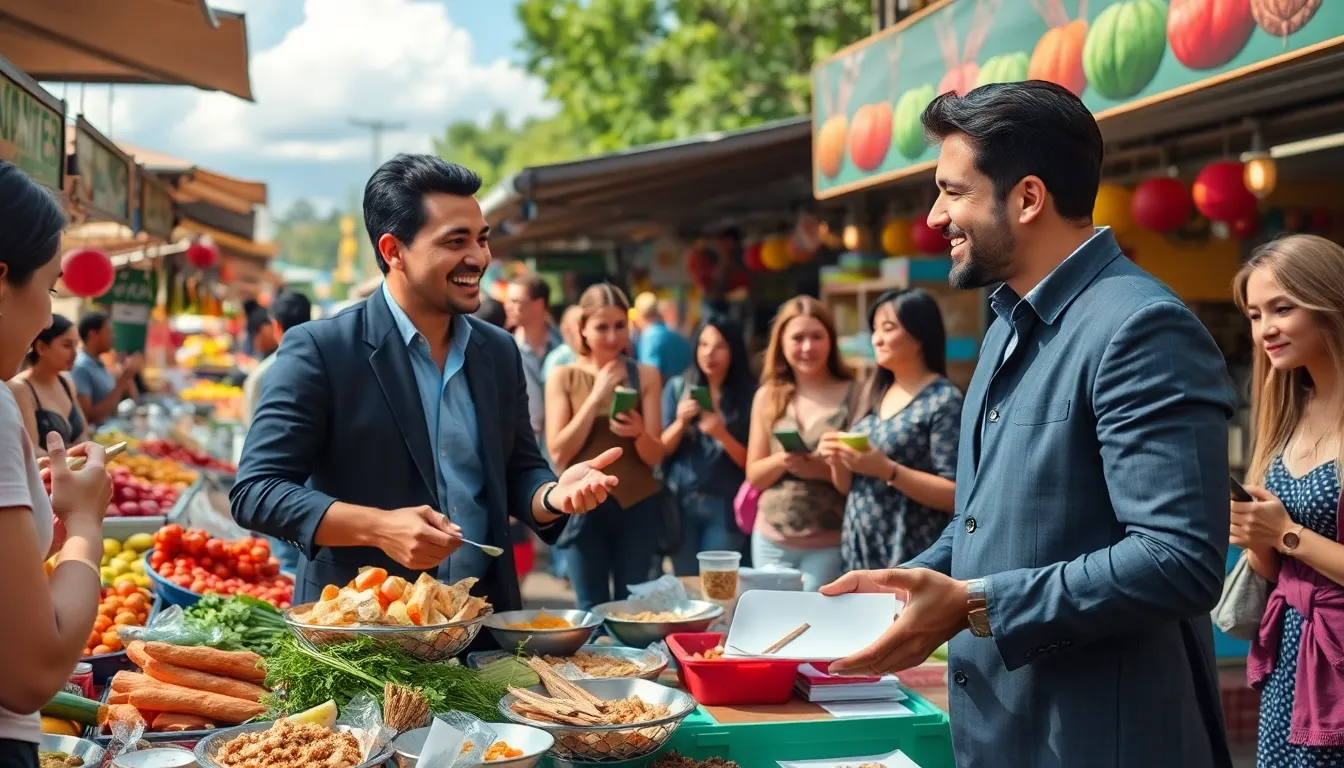
    host engaging with a vendor at a lively outdoor food market.

    A travel food show is an engaging television or streaming program that blends the excitement of travel with the intrigue of culinary exploration. These shows guide viewers through various cultures and regions, showcasing not just what people eat, but how they eat, where they eat, and the stories behind these dishes. Often featuring enthusiastic hosts who jump into local customs, they highlight regional specialties, community gatherings, and the profound significance of food in people’s lives.

    The Rise of Food Tourism

    Food tourism has seen a meteoric rise in recent years. With social media facilitating instant sharing of experiences, food lovers are driven to discover new destinations influenced by culinary trends. Travelers no longer just seek out stunning vistas or historical landmarks. They look for immersive experiences that tantalize their taste buds. Travel food shows capture this shift brilliantly, enticing viewers to explore destinations through the lens of local cuisine. The result? A global feast that transcends borders and creates unforgettable memories.

    Popular Travel Food Shows to Follow

    For anyone looking to immerse themselves in culinary exploration, several travel food shows stand out in the crowded entertainment landscape.

    Key Elements of Successful Travel Food Shows

    Successful shows often share a few characteristics that make them particularly engaging. They bring viewers on a journey rather than just delivering recipes. By combining local history, culture, and personal stories, these shows create a recipe for adventure that’s hard to resist.

    Engaging Hosts and Personalities

    A charismatic host can elevate a travel food show from ordinary to extraordinary. More than just a guide, the right host brings humor, relatability, and a genuine passion for food. Think of Anthony Bourdain, whose adventurous spirit and storytelling prowess captivated audiences worldwide.

    Unique Culinary Experiences

    One of the most attractive aspects of travel food shows is the emphasis on unique culinary experiences. From tasting street food delicacies to partaking in home-cooked meals with local families, these shows shine a light on the diverse and often surprising ways food is prepared and enjoyed around the globe.

    Cultural and Historical Context

    Food is more than just sustenance: it is intertwined with identity, history, and culture. Travel food shows excel at unpacking this depth, offering viewers a window into how history, geography, and culture influence cooking styles and dining habits. For example, exploring the Ethiopian coffee ceremony provides insight into communal practices, while sampling artisan cheeses in France connects viewers with centuries-old traditions. By highlighting these nuances, these shows elevate food from a mere commodity to a cultural treasure.

    How Travel Food Shows Influence Culinary Trends

    Travel food shows play a significant role in shaping culinary trends. When a dish or ingredient is showcased, it often garners interest that transcends its local origins. For instance, the boom in popularity of banh mi sandwiches in the U.S. can be attributed to their exposure on popular food shows. Chefs, inspired by these on-screen delights, bring new techniques and flavors into their kitchens, creating fusion dishes that delight food lovers everywhere. This cycle of inspiration continues, fueled further by social media sharing that spreads trends like wildfire.

    The Future of Travel Food Shows

    As technology continues to evolve, so too will travel food shows. Virtual reality and 360-degree videos promise unique, immersive experiences that allow viewers to feel as if they are on location. Also, the rise of influencer culture means that new voices are emerging, bringing fresh perspectives to the genre. As audiences crave authenticity and connection more than ever, expect travel food shows to adapt, ensuring that the journey of exploration remains both enticing and accessible.

  • Travel Food Containers: The Ultimate Guide for Foodie Travelers

    Travel Food Containers: The Ultimate Guide for Foodie Travelers

    When adventure calls, so does the appetite. Whether you’re gearing up for a road trip or jet-setting across the globe, having the right travel food containers can turn a mundane meal into a gourmet experience, without the gourmet prices. Forget soggy sandwiches or squished snacks. This ultimate guide dives into the world of travel food containers, ensuring you’re not just eating on the road but dining in style. Buckle your seatbelts, because it’s time to elevate your travel meals and maybe even impress a few fellow travelers along the way.

    Why Invest in Travel Food Containers?

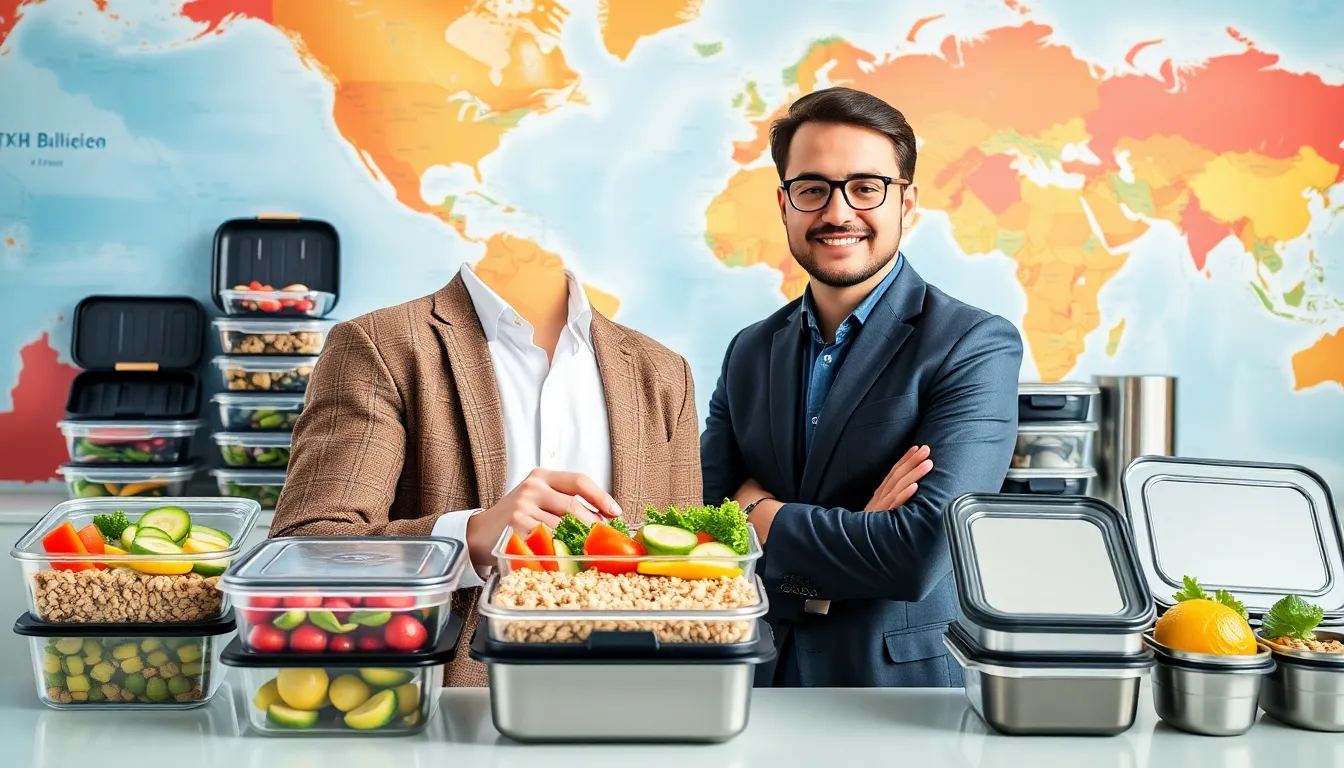
    Colorful meal prep in modern containers on a kitchen counter.

    Travel food containers are not just a luxury: they are essential for anyone who values convenience and quality in their meals away from home. Firstly, they help maintain portion control, which can be crucial when trying to stick to dietary goals. Who wouldn’t prefer a homemade salad over a questionable fast-food burger? Also, investing in these containers reduces waste. With the growing emphasis on environmental sustainability, packing your meals can help cut down on single-use plastics and encourage a more eco-friendly lifestyle.

    Then there’s the money factor. Eating out constantly can drain a travel budget faster than you can say ‘cheeseboard.’ Meal prepping with travel containers means delicious food at a fraction of the cost. You could indulge more in experiences, like that overpriced skydiving session you’ve been eyeing. In essence, travel food containers offer both practicality and savings, making them a worthwhile investment for any traveler.

    Types of Travel Food Containers

    Travel food containers come in various shapes and sizes, catering to different needs. Each type serves a unique purpose, ensuring you have exactly what you require for any trip.

    1. Bento Boxes

    These compartmentalized containers are perfect for those who love a variety of snacks or meals in one package. Typically made from durable plastic or stainless steel, bento boxes keep food separated and fresh.

    2. Insulated Containers

    If you’re planning to carry soups, stews, or hot meals, insulated containers are a game-changer. They maintain temperature for hours and are usually spill-proof, meaning your bag stays clean (and so does your reputation).

    3. Collapsible Containers

    Perfect for minimizing space in your luggage, collapsible containers are made from silicone that folds down flat when not in use. These are ideal for those spontaneous trips where space is at a premium.

    4. Glass Containers

    For those who prefer a more aesthetically pleasing option, glass containers are both stylish and functional. They don’t absorb odors and can even go from the fridge to the microwave, making reheating a breeze.

    5. Snack Containers

    Specialized for munchies, snack containers are simple and effective. They come in various sizes, perfect for everything from nuts to trail mix. Plus, they’re typically lightweight, making them easy to toss in a bag.

    Features to Look for in Travel Food Containers

    When shopping for travel food containers, several features can enhance usability and durability.

    1. Material

    Choose containers that are BPA-free and made from food-grade materials. Stainless steel and glass are excellent options that offer longevity and safety.

    2. Sealability

    A container is only as good as its seal. Look for leak-proof designs to avoid any culinary disasters in your travel bag. Gasket seals often provide the best performance against leaks.

    3. Size and Portability

    Consider how much food you will typically pack. Different meal types might require various sizes, so a set with multiple options can be beneficial. Weigh the containers too: you don’t want something heavy adding to your carry-on burden.

    4. Microwave and Freezer Safe

    Ensure that the containers can withstand temperature changes if you plan to use them for reheating leftovers. This feature saves time during busy travel days.

    5. Easy to Clean

    After a long day of travel, the last thing anyone wants is to scrub stubborn stains. Opt for containers that are dishwasher safe or have smooth surfaces that are easy to wipe clean.

    Best Travel Food Containers for Different Needs

    Finding the perfect travel food container can be a challenging job, but here are some top picks tailored for various preferences and needs.

    1. For Bento Lovers: Monbento Original Bento Box

    This stylish option is designed for those who appreciate a variety of flavors. It’s both cute and functional, with a strong seal to keep everything in place.

    2. For Soup Aficionados: Stanley Classic Vacuum Food Jar

    Renowned for its insulation properties, this container keeps your soups hot until lunchtime, and it’s rugged enough for outdoor adventures.

    3. For Minimalists: OXO Good Grips Collapsible Silicone Container

    This container expands while in use and collapses flat when not, making it perfect for travelers who dislike clutter.

    4. For Style Points: GlassLock 9-Piece Container Set

    With its elegant glass design and snap-lock lids, this set is perfect for travelers who want to impress while also being practical.

    5. For On-the-Go Snacking: Sistema To Go Collection

    These containers are designed specifically for snacks, featuring a variety of sizes that fit easily into bags without taking up too much space.

    Tips for Packing Food Efficiently

    Packing food for travel doesn’t just save money: it can make your trip more enjoyable. Here are some handy tips:

    1. Plan Your Meals

    Before packing, create a meal plan. Decide what you’ll eat each day to minimize waste and maximize enjoyment.

    2. Use Freezer Packs

    If you’re carrying perishable items, add freezer packs to keep everything cool. This ensures your food stays fresh and safe to eat.

    3. Double Up on Containers

    Use smaller containers for snacks and larger ones for main meals. This division makes it easier to grab what you need without rummaging through one big container.

    4. Pre-cut Ingredients

    Pre-cut fruits and vegetables not only save time but also make it easier to enjoy healthy snacks on the go. Just remember to pack them in airtight containers to keep them fresh longer.

    5. Keep It Simple

    Choose meals that don’t require elaborate preparation. Salads, wraps, and grain bowls are excellent options that are both nutritious and easy to pack.

    Maintaining and Cleaning Your Travel Food Containers

    To ensure longevity and performance, maintaining and cleaning travel food containers is essential. Here are some best practices:

    1. Wash Promptly

    Cleaning out containers right after use prevents lingering odors and stains. Use warm, soapy water or pop them in the dishwasher if they’re dishwasher-safe.

    2. Avoid Abrasive Cleaners

    Using harsh chemicals or abrasive scrubbers can scratch the surfaces of glass or plastic containers. Stick to gentle cleansers to preserve their quality.

    3. Store without Lids

    When not in use, store containers without the lids on. This promotes airflow and prevents funky smells developing inside.

    4. Use Baking Soda for Odor Removal

    If any container starts to smell, sprinkle baking soda inside and let it sit overnight. It can neutralize odors effectively without damaging the surface.

    5. Inspect Regularly

    Check containers periodically for cracks or wear and tear. If they look compromised, replace them to maintain safety and performance.

  • Food And Wine Travel: A Culinary Adventure Awaits

    Food And Wine Travel: A Culinary Adventure Awaits

    If food and wine travel doesn’t make your taste buds tingle, what will? Imagine biting into a buttery croissant in Paris, only to wash it down with a perfectly aged Bordeaux. Traveling for food and wine is not just about the flavors: it’s about an experience that feeds the soul and leaves memories to savor for years. So, pack your bags and don’t forget your appetite. There’s a world of gourmet delights waiting for you.

    The Allure Of Culinary Journeys

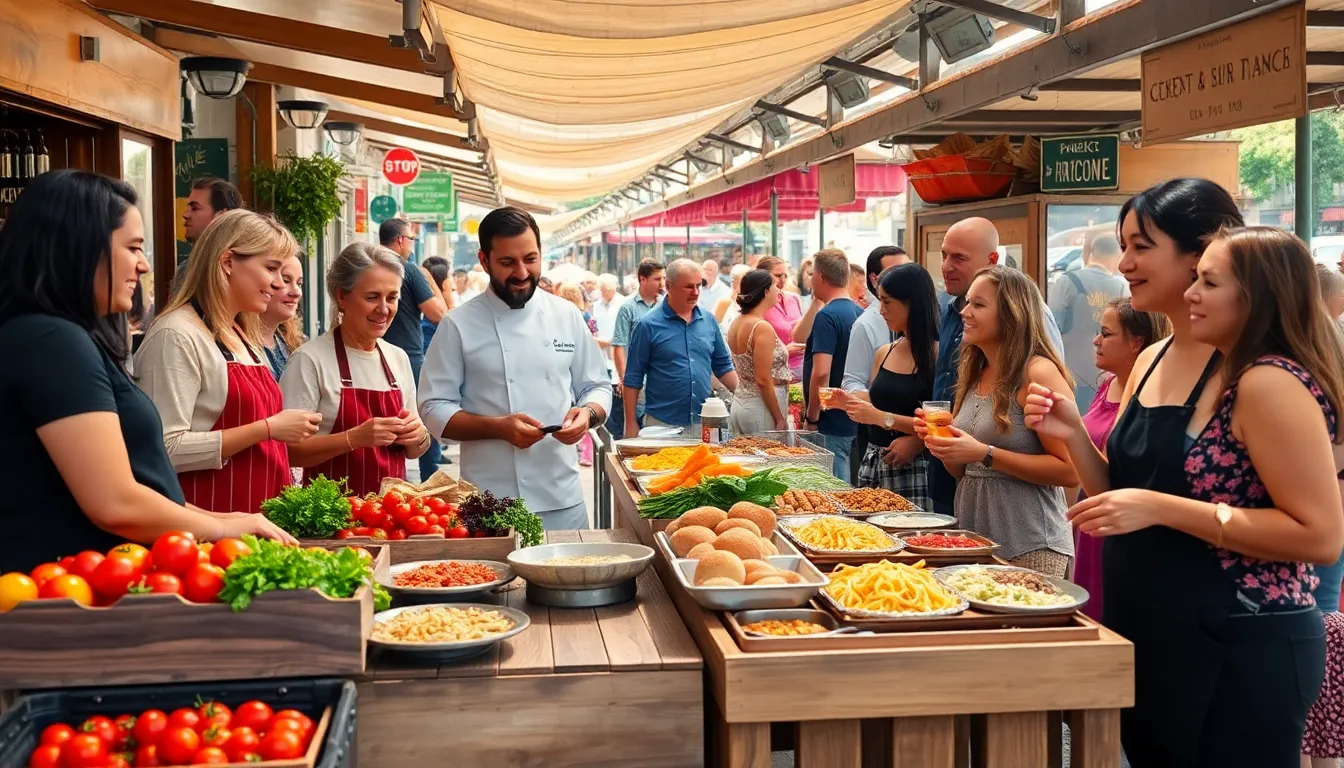
    bustling market scene with diverse local cuisines and enthusiastic travelers.

    Exploring Local Cuisine

    There’s something magical about sitting in a bustling market, surrounded by the scents of freshly baked bread and sizzling street food. When travelers embark on food journeys, they unlock the door to local cultures. From the spicy curries of India to Italy’s handcrafted pastas, local cuisine tells a story of place and people. Each meal reflects centuries of history, ingredients, and culinary practices. It’s about more than just what’s on the plate: it’s a delectable gateway into the heart of a destination.

    The Importance Of Regional Ingredients

    What makes dishes truly special? It often boils down to the quality of regional ingredients. Take tomatoes from San Marzano, which Italians claim are a game changer in making authentic sauces. Or think about the distinct flavor of herbs grown in the Mediterranean sun. Eating locally means savoring freshness and authenticity that mass-produced items simply can’t replicate. Culinary travelers often find that the secret ingredient is not just love but also the right local flavors.

    Wine Regions To Discover

    Top Destinations For Wine Enthusiasts

    For any wine lover, certain regions sparkle like a well-aged Cabernet. The vineyards of Napa Valley boast world-class wineries, while the rolling hills of Tuscany offer picturesque settings and robust Chianti. Then there’s the enchanting Bordeaux region in France, where a simple vineyard visit can feel like stepping into a storybook. Each destination provides a unique environment and grape variety, allowing enthusiasts to taste the terroir in every sip. Traveling here isn’t just a trip: it’s an exploration into the world of plonks and pours.

    Unique Wine Experiences Around The World

    Wine travel isn’t confined to sipping at vineyards. Imagine a sunset picnic complete with artisanal cheese and local wines atop a hill overlooking vineyards in Spain. How about joining a grape harvest in Oregon, picking and stomping those luscious fruits while making memories? Unique experiences abound if you know where to look. From wine and paint nights to exclusive tastings with winemakers, the options are as varied as the wines themselves.

    Planning Your Food And Wine Trip

    Essential Tips For Travelers

    Planning a food and wine trip involves more than just mapping out wineries and restaurants. First, it’s wise to research local customs about dining etiquette. In some countries, sharing food is a symbol of friendship, while in others, meals may be a more formal affair. Next, book reservations in advance for popular spots to avoid disappointment. Finally, leave room for spontaneity. Some of the best meals are stumbled upon while wandering through quaint streets, don’t be afraid to explore.

    Choosing The Right Tours And Experiences

    When selecting tours, consider your personal tastes. Would you prefer a culinary class where you can dabble in gourmet cooking? Or perhaps a guided wine tour that dives deeper into the biology and richness of each grape? Many companies offer customized experiences tailored to your preferences. Always read reviews to find tours that might best resonate with your culinary curiosity.

    Experiencing Food And Wine Festivals

    Major Festivals To Attend Globally

    There’s a certain buzz in the air when gastronomes gather for festivals around the globe. Take the famous La Tomatina in Spain: people hurl ripe tomatoes at each other while celebrating local food. The International Wine Festival in Hong Kong showcases sparkling wines from various regions, providing a paradise for enthusiasts. These festivals not only offer delicious tastings, but they also play host to exciting events like chef competitions and wine pairing seminars.

    Cultural Significance Of Culinary Celebrations

    Culinary festivals embody the essence of community and culture. They bridge gaps between generations, allowing families to share traditions with the next generation. In many cultures, local festivals mark the turning of seasons or special harvests. They’re not merely gatherings to eat and drink: they’re opportunities to honor agricultural practices and celebrate artistic expression in food and drink.

  • Food Travel Shows: Exploring Culinary Adventures Around the World

    Food Travel Shows: Exploring Culinary Adventures Around the World

    Imagine this: you’re sitting on your couch, a bowl of popcorn in hand, when a food travel show comes on. Suddenly, you’re whisked away to the bustling street markets of Bangkok or the quaint vineyards of Tuscany. Food travel shows aren’t just about cooking: they serve up eye-candy destinations, tantalizing dishes, and cultural insights that can make anyone hungry for adventure. With a sprinkle of humor and a dash of culinary expertise, these shows have revolutionized how people think about food and travel. Buckle up your taste buds and get ready for a journey that might just inspire your next getaway.

    The Rise of Food Travel Shows

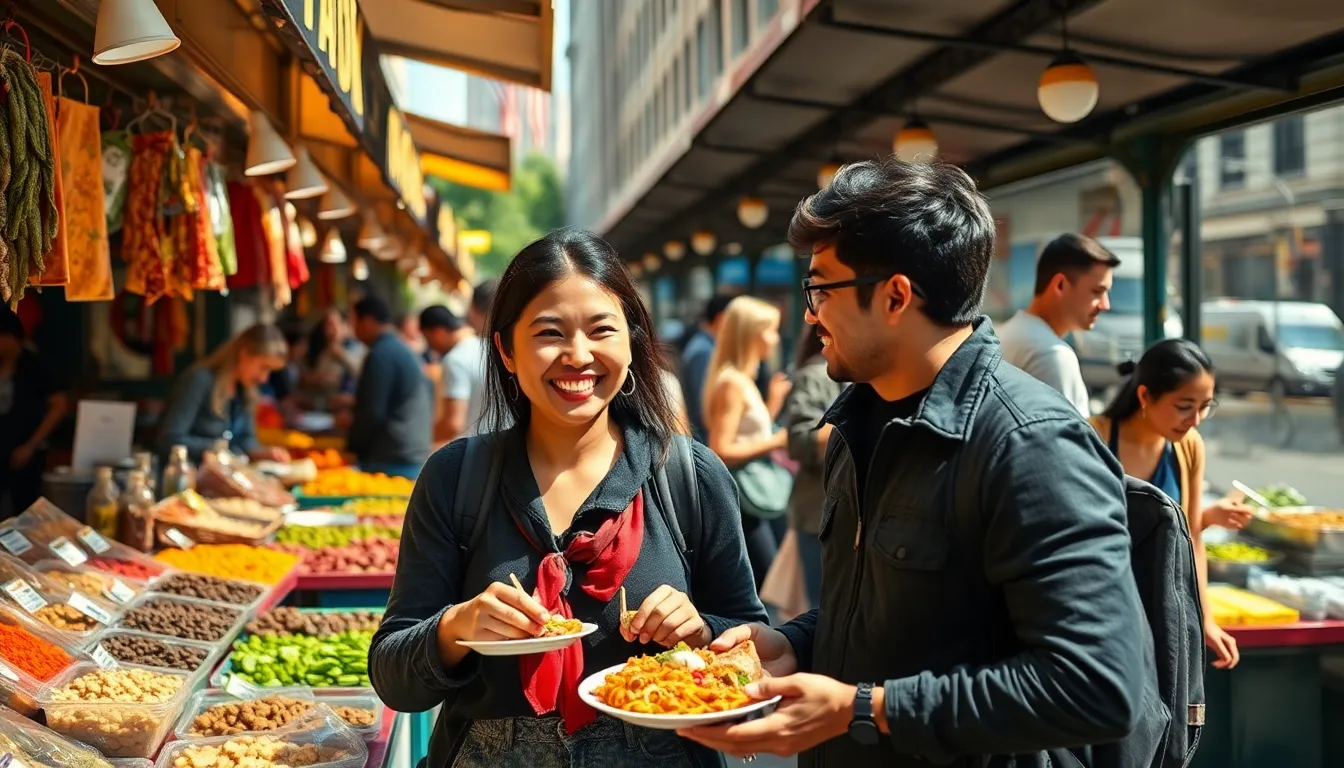
    diverse group enjoying outdoor food market experience.

    In recent years, food travel shows have exploded in popularity. Viewers tune in not just for recipes, but for a glimpse into different cultures through their cuisines. This surge can be traced back to programs like Anthony Bourdain’s “No Reservations,” which combined travel and culinary exploration in a way that felt spontaneous and real. Such shows prime viewers for a different kind of tourism, culinary tourism, where the dishes served become as essential as the destinations themselves.

    As lifestyle changes encourage people to seek new experiences, the marriage of travel and food proves irresistible. Reality TV formats and social media have amplified this phenomenon: influencers share their gastronomic adventures, further enticing audiences. Nowadays, anyone can subscribe to streaming services and binge-watch entire seasons dedicated to culinary journeys. The notion of traveling the world through food has never been more accessible.

    Impact on Culinary Tourism

    The impact of food travel shows on culinary tourism is nothing short of transformative. More and more tourists are now planning trips specifically around unique food experiences. Cities known for their culinary prowess, like Tokyo or Barcelona, have seen significant spikes in tourism as food lovers flock to sample local delights showcased in popular programs.

    Food has the unique ability to connect cultures and people, and food travel shows accentuate this bond. Destinations featured in these shows often experience a noticeable rise in visitors eager to savor the dishes they’ve seen on screen. It’s become a sort of cultural exchange: tourists aren’t just tasting the food, they’re immersing themselves in the cultural significance behind it.

    Also, local economies gain from this trend. Restaurants, food markets, and tour operators all benefit from the increased foot traffic. Culinary tourism has so evolved into a substantial economic driver for many regions, creating jobs and fostering the growth of local businesses.

    Popular Food Travel Shows to Watch

    Looking for shows that ignite your wanderlust while showcasing the best of global culinary delights? Here are a few that stand out:

    1. Anthony Bourdain: Parts Unknown – Following the late, great Anthony Bourdain, this series blends social commentary with culinary exploration, immersing viewers in the culture of diverse locations.
    2. Chef’s Table – A visually stunning series that digs deep into the lives of renowned chefs from around the world, showcasing not only their culinary masterpieces but the stories behind them.
    3. Bizarre Foods with Andrew Zimmern – For the adventurous eater, Zimmern explores unusual dishes that reflect the local culture, often pushing the boundaries of familiar palates.
    4. Somebody Feed Phil – Phil Rosenthal’s lighthearted approach to food and travel mingles humor with inspiring stories, making it perfect for a relaxed evening binge.
    5. Street Food: Asia – This series dives into the vibrant street food culture, showcasing beloved local dishes and the passionate people behind them, giving a heartfelt touch to each story.

    These shows not only entertain but also educate, helping viewers appreciate food’s role as a cultural ambassador.

    Cultural Significance of Food in Travel

    Food serves as a cultural ambassador as travelers embark on culinary journeys. It opens doors to understanding a community’s traditions, values, and history. Each dish tells a story, rooted in local ingredients, recipes passed down through generations, and even historical events.

    For instance, consider the dish ramen in Japan. It’s not just a bowl of noodles: it’s linked to the nation’s cultural evolution and influences from neighboring countries. Traveling through food allows individuals to gain insights into a culture they might not fully grasp through sights alone.

    Besides, sharing meals can create bonds between people from vastly different backgrounds. In many cultures, food is synonymous with hospitality. Breaking bread can lead to conversations that might not happen in other contexts, fostering friendships and understanding among travelers and locals alike. Food travel shows shine a light on this invaluable aspect of travel, encouraging viewers to dive deeper into the culinary narratives of their destinations.

    How to Prepare for a Food Travel Show Experience

    Preparing for a food travel show experience goes beyond just knowing where to go or what to eat. Here are some essential tips to ensure you don’t miss out on the culinary adventures available:

    • Research the Cuisine: Understand the basics of the regional cuisine you’re exploring. Knowing a few key dishes can enhance your experience and respect for local traditions.
    • Be Open-Minded: Embrace the unexpected. Sometimes, the best dishes are those you wouldn’t ordinarily try. Consider consuming local specialties, even if they sound a bit unusual.
    • Engage with Locals: Don’t shy away from conversing with local chefs or vendors. They often have invaluable insights and stories to share about the food they serve.
    • Document Your Journey: Capture your experiences, whether through journaling or photography. This helps preserve your memories and perhaps even inspires future food travel episodes for your own audience.
    • Stay Curious: Food is just one aspect of a culture, so stay curious about everything around you. Take in the sights, sounds, and scents of your environment. This holistic approach makes the experience richer.

    The Future of Food Travel Shows

    As we dive deeper into a new era of travel and entertainment, food travel shows continue to evolve. Food sustainability and environmental consciousness are becoming crucial themes. Viewers are increasingly mindful of where their food comes from and are drawn to shows featuring local produce, sustainability efforts, and eco-friendly practices.

    Also, with the rise of virtual travel experiences, food shows may begin to incorporate augmented reality components, giving viewers a more immersive experience without needing to leave their homes. Imagine tasting a dish through an interactive screen. This fusion of technology and culinary exploration could redefine how people engage with food travel shows.

    Viewers will also likely see more diverse hosts and representations of cuisines around the world, providing a fuller spectrum of culinary experiences. As demands for authenticity and inclusivity grow, the future is bright for food travel shows.

  • Food Travel: A Culinary Adventure Across the Globe

    Food Travel: A Culinary Adventure Across the Globe

    What if your next trip wasn’t just about the sights but rather the bites? Food travel combines the thrill of exploring new cultures with the pleasure of savoring local cuisine. Imagine bite-sized adventures that tickle your taste buds while creating unforgettable memories. It’s a delicious metaphor for life, once you bite in, you’ll find that every destination offers a flavor profile unlike any other. So, grab your fork, pack your bags, and let’s jump into the world of food travel.

    The Importance of Food in Travel

    diverse travelers sharing meals at a rustic cafe table.

    Food plays a pivotal role in the travel experience. It serves as a cultural bridge, allowing travelers to connect with local traditions and lifestyles in ways that nothing else can. Dining options vary from region to region, and each dish tells its own story. For instance, tasting the spices of a Moroccan tagine reveals influences from Berber, Arab, and Mediterranean cuisines. This vibrancy enriches the travel experience, as food becomes a narrative thread that weaves through various landscapes.

    Also, food travel allows individuals to discover new preferences and broaden their culinary horizons. A simple bite can spark lifelong memories and associations with a certain place. Each flavor reflects history, tradition, and local resources, making every meal an educational experience. In essence, food and travel are not mutually exclusive: they enhance one another, transforming an ordinary trip into an extraordinary journey.

    Exploring Local Cuisines

    Uncovering local cuisines is akin to peeling back the layers of an onion, each layer bursting with flavor and history. Street vendors, family-run restaurants, and home-cooked meals are true gems waiting to be discovered. Travelers are encouraged to wander off the beaten path where tourist traps often overshadow authenticity.

    Wherever your explorations take you, participating in a cooking class can provide deeper insight into a culture. Whether mastering the art of Italian pasta or delving into Thai curry, hands-on experiences create a connection that’s hard to replicate. Even simply dining with locals, when possible, can offer a glimpse into daily life. No one knows the culture better than its people, and no one understands food better than the chefs who have perfected their craft over generations.

    Destinations for Food Lovers

    When it comes to food travel, certain destinations stand out as culinary hotspots. Here are a few that will tantalize any food lover’s taste buds.

    Culinary Experiences to Try

    For an unforgettable experience, consider booking a culinary tour in cities like Paris, Barcelona, or Tokyo. In Paris, a pastry-making class is a must-do: macarons and éclairs will have travelers lost in a sweet paradise. Meanwhile, Barcelona’s tapas tours can be a delightful journey through flavors, with each bite offering a taste of the region.

    Tokyo’s izakayas provide more than just food: they encapsulate the essence of Japanese dining traditions. Engaging with local chefs in these settings can yield rich stories and techniques that shine a light on culinary foundations.

    Street Food Adventures

    Street food embodies the heart and soul of local cuisine. Think about the savories of Bangkok’s street stalls or the taco stands in Mexico City. Each location provides a diverse array of flavors at affordable prices. Plus, nothing beats the thrill of eating food prepared by local vendors right in the bustling streets.

    As an added bonus, street food offers the unique advantage of accessibility. Travelers can often find unbelievable flavors with little planning or prior knowledge. Just be sure to keep an open mind and embrace the unexpected.

    Fine Dining Around the World

    For those with a taste for luxury, fine dining experiences abound. Cities like New York, London, and Lyon are renowned for their Michelin-starred establishments. Restaurants craft special tasting menus that allow diners to embark on a whimsical journey through multiple courses, each showcasing the chef’s creativity and flair.

    In Barcelona again, trying the innovative creations of Ferran Adrià’s cuisine will take palates on a magical adventure. Fine dining is not only about presentation but also about the story behind the ingredients and the culinary philosophy that drives the chef.

    Tips for Food Travelers

    Engaging in food travel is thrilling and delicious, but certain tips can enhance the experience and ensure safety.

    Health and Safety Considerations

    Ensuring that food is safe to eat is crucial. Always be mindful of food hygiene and opt for places that appear clean. It’s advisable to stick to areas where locals eat: if the line is long, it’s usually a sign that the food is good. Travelers should also keep a bottle of hand sanitizer handy.

    Cultural Sensitivity and Etiquette

    Navigating cultural differences can be daunting yet enlightening. In some cultures, it’s customary to eat with your hands: in others, finishing every last bite is a sign of respect. Familiarizing oneself with local etiquette can enhance interactions and prevent any faux pas.